
What is Wilms tumor?
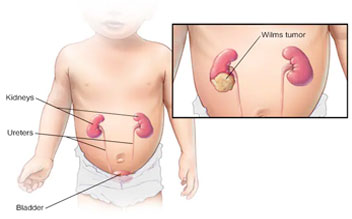
Wilm's tumor is a kidney tumor that nearly usually affects youngsters. This disease accounts for roughly 90% of kidney tumors in children. Wilms tumor is sometimes associated with a range of diseases that are present at birth. These are known as congenital syndromes.
Wilm's tumor is also known as nephroblastoma. Most Wilms tumors are unilateral, affecting only one kidney. Most children with Wilms tumors have only one tumor, however a tiny percentage have several tumors in the same kidney. Approximately 5% to 10% of children with Wilms tumors have bilateral disease (tumors in both kidneys).
Wilms tumors may grow to a large size before being identified. The average newly discovered Wilms tumor is far larger than the kidney in which it originated. Most Wilms tumors are discovered before they spread (metastasize) to other organs.
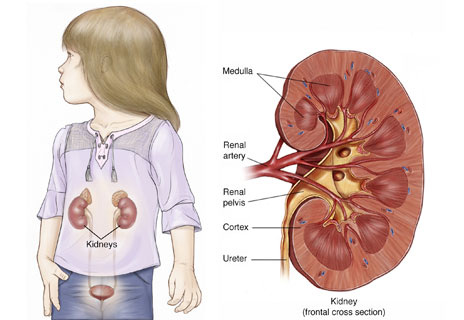
Who is affected by Wilm's tumor?
Wilms tumor is a malignancy that primarily affects children under the age of 15. Approximately 95% of instances with this condition are diagnosed by the age of ten.
Black children have a larger danger than Asian youngsters. Wilms tumor is somewhat more prevalent in girls than boys.
Wilms tumor is handed down in the genes of a very tiny number of families.
What Are the Signs and Symptoms of Wilms Tumor?
Children with Wilms tumor (also known as nephroblastoma) typically have a bulge or lump in their abdomen. Frequently, there are no additional symptoms. However, some children may have:
Symptoms may include nausea, abdominal discomfort, high blood pressure (hypertension), blood in the urine, lack of appetite, and fever.
What Causes Wilms Tumors?
Wilms tumor is usually caused by a genetic abnormality. The gene mutation leads the kidney cells to grow into a tumor. Doctors do not know why these gene alterations occur.
Wilms tumors typically develop in otherwise healthy children. However, some hereditary disorders increase the likelihood that children may develop it. This includes:
- Beckwith-Wiedemann syndrome (larger-than-normal internal organs)
- WAGR (issues with the iris, kidneys, urinary system, genitalia, and intellectual development)
- Denys-Drash syndrome affects kidneys and genitalia formation
Children with these conditions should have regular ultrasounds until they are at least 8 years old to check for Wilms tumors.
The diagnosis of Wilms tumor
Following a thorough medical history and physical examination of your kid, the doctor may request the following tests to detect if the cancer has spread (metastasized):
- Abdominal ultrasound. This imaging test uses high-frequency sound waves and a computer to produce images of interior organs, blood vessels, and tissues.
- A bone scan. This imaging technique detects bone cancer by injecting a specific radioactive substance into a vein. The material accumulates in damaged bone regions and is detected by specific radiation detector cameras.
- Abdominal CT or CAT scan. This imaging test employs X-rays and computer technologies to provide comprehensive cross-sectional pictures (slices) of the body's bones, muscles, fat, and organs. It can reveal a lump in the kidneys and whether the cancer has migrated to other organs, such as the lungs.
- A chest X-ray. This imaging examination creates pictures of the heart, lungs, and bones.
- Magnetic resonance imaging (MRI). An MRI scan employs radio waves, powerful magnets, and computer technologies. MRI provides more comprehensive pictures than CT and ultrasound and can help doctors determine whether cancer has infiltrated one of the major blood veins surrounding the kidney.
- Blood and urine testing. These laboratory tests are used to assess kidney and liver function.
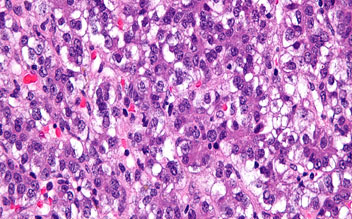
- A biopsy A sample of tissue is taken and analyzed under a microscope to confirm the diagnosis and guide the treatment approach.
How is Wilms' tumor treated?
Wilms tumor is virtually typically treated with both surgery and chemotherapy. Radiation therapy may be used as part of the treatment plan.
Many children with low-risk tumors are treated with surgery alone if the tumor has not spread and can be entirely removed. Your kid may be given chemotherapy before surgery to shrink the tumor and make the procedure safer.
Most chemotherapy is administered intravenously (I.V.). It might happen in an outpatient setting or a hospital.
Your kid may have adverse effects from chemotherapy or radiation. If so, make sure to notify your provider. There are things you may do or medications your kid can take to help reduce adverse effects.
How can I avoid Wilms tumor?
You or your child have no control over whether or not Wilms tumor develops.
Outlook / Prognosis
What is the prognosis (outlook) for someone with Wilms tumor?
Almost all stages of Wilms tumor have a favorable prognosis. It is ideal if your doctor can completely remove the tumor and no further cancer is identified in your child's body. Wilms tumors can recur.
Is Wilms's tumor fatal?
Wilm's tumor can be effectively treated with surgery, chemotherapy, and/or radiation, but it is still cancer. It might still be deadly.
What is the survival rate of Wilms tumor?
Five years after being diagnosed with Wilms tumor, around 90% of those affected are still alive. The rates may be greater or lower depending on the stage, tumor size, and how the cancer cells appear under a microscope (histology).
Related Treatment
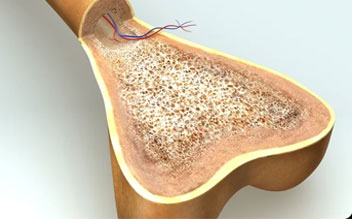
A bone marrow transplant (BMT) is a therapy option for children suffering from cancer or other disorders. The purpose of bone marrow...
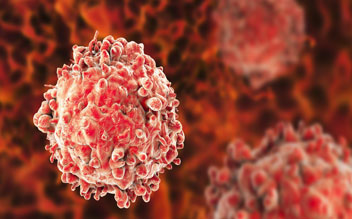
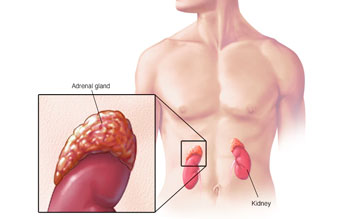
Neuroblastoma is a malignant tumor. It develops in the nervous tissue of infants and young children. Cancer cells proliferate
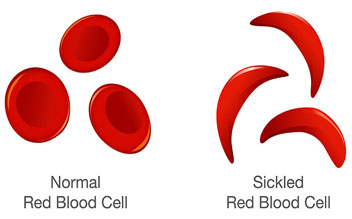
Sickle cell anemia is a hereditary disorder that affects hemoglobin, the component of red blood cells that transports oxygen...
Platelets are the cells that cause blood clots, hence platelet abnormalities cause wounded blood arteries to bleed more than usual...
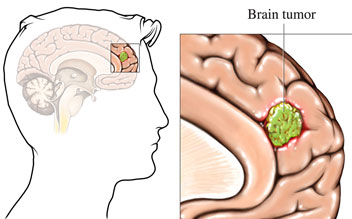
A brain tumor is an abnormal growth of tissue within the brain. The brain forms part of the central nervous system (CNS).
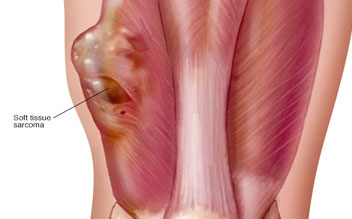
Soft tissue sarcomas are malignant tumors that develop in soft tissue, including muscle, fibrous tissues, tendons, fat, nerves,...
Wilm's tumor is a kidney tumor that nearly usually affects youngsters. This disease accounts for roughly 90% of kidney...
Hepatoblastoma is an extremely uncommon kind of cancer. It is a tumor that originates in the liver. It often affects children aged...
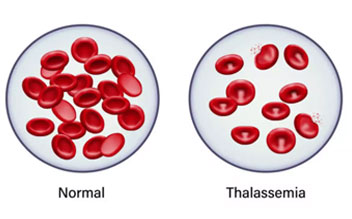
Thalassaemia is an inherited hereditary blood condition that causes permanent anemia. People with thalassaemia...