
Anemia in children?
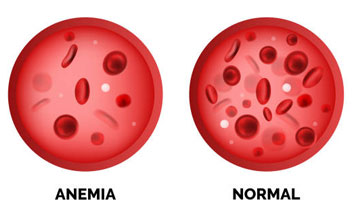
Anemia is a frequent condition among youngsters. Anemia affects around 20% of youngsters in the United States at some time. Anemia occurs when a youngster does not have enough red blood cells or hemoglobin. Hemoglobin is a protein that permits red blood cells to transport oxygen to other cells throughout the body.
There are many forms of anemia . Your youngster may have one of the following:
Symptoms
- Anemia due to iron deficiency : There is insufficient iron in the blood. Iron is required for the formation of hemoglobin. The most prevalent cause of anemia is this.
- Sickle cell disease : This is a kind of hemoglobinopathy, which is a hereditary form of anemia characterized by improperly formed red blood cells.
- Megaloblastic anemia : This occurs when red blood cells become abnormally big due to a deficiency of folic acid or vitamin B-12. Pernicious anemia is a kind of megaloblastic anemia. This kind has trouble absorbing vitamin B-12, which is required for the formation of red blood cells.
- Anemia due to hemolysis : This is the process by which red blood cells are eliminated. There are several reasons, including as severe infections or specific medications.
- Cooley's disease (thalassemia) : This is another hereditary anemia characterized by malformed red blood cells.
- Aplastic anemia is a kind of anemia : This is caused by the bone marrow's inability to produce blood cells.
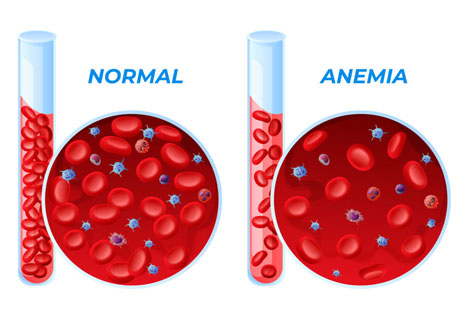
What causes childhood anemia?
- Red blood cell loss
- Inability to produce enough red blood cells
- Red blood cell destruction
Reduced red blood cell or hemoglobin levels can be caused by:
- Inherited red blood cell abnormalities
- Infections
- Certain disorders
- Certain medications
- A lack of certain vitamins or minerals in the diet
Which children are predisposed to Anemia?
- Premature or low birth weight
- Living in poverty or coming from a poor nation
- Early usage of cow's milk
- Diet lacking in iron or several vitamins or minerals
- Surgery or accident resulting in blood loss
- Long-term ailments such as infections or renal or liver disease
What are the signs of Anemia in children?
The majority of anemia symptoms are caused by a shortage of oxygen in the cells. Many of the symptoms are absent with moderate anemia.
The following are the most prevalent symptoms:
- Increased heart rate
- Breathlessness or difficulty catching a breath
- Lack of energy or easily fatigued
- Headache
- Irritability
- Irregular menstrual cycles
- Absent or delayed menstruation
- Sore or swollen tongue
- Jaundice, or yellowing of the skin, eyes, and mouth
- Enlarged spleen or liver
- Slow or delayed growth and development
- Poor wound and tissue healing
Anemia symptoms might mimic those of other blood disorders or medical illnesses. Anemia is sometimes a sign of another condition. Make sure to notify your child's doctor of any symptoms. Always seek a diagnosis from your child's doctor.
How is a child's anemia diagnosed?
Anemia is prevalent in youngsters, therefore doctors check for it regularly. Furthermore, it frequently has no symptoms. The following blood tests are used to identify anemia in children:
- Hemoglobin and hematocrit levels : In children, this is frequently the initial screening test for anemia. It determines the concentration of hemoglobin and red blood cells in the blood.
- CBC (complete blood count) : A complete blood count examines the red and white blood cells, blood clotting cells (platelets), and, in rare cases, immature red blood cells (reticulocytes) in the blood. It comprises hemoglobin and hematocrit, as well as additional information about red blood cells.
- Smear on the periphery : A little sample of blood is inspected under a microscope to see whether it appears normal.
Your kid may potentially undergo a bone marrow aspiration, biopsy, or both, depending on the findings of the blood tests. A tiny quantity of bone marrow fluid (aspiration) or solid bone marrow tissue (core biopsy) is obtained. The quantity, size, and maturity of blood cells or aberrant cells are counted in the fluid or tissue.
How is childhood anemia treated?
The treatment your kid receives will be determined by his or her symptoms, age, and overall health. It will also be determined by the severity of the ailment.
Anemia therapy is determined by the cause. Some varieties do not need to be treated. Some may need medication, blood transfusions, surgery, or stem cell transplantation. Your child's doctor could recommend you to a hematologist. This individual is a blood problem expert.
- Vitamin and mineral drops or tablets as a treatment
- Changing your child's diet
- Stopping a drug that causes anemia
- Drug
- Splenectomy Surgery
- Blood transfusions
- Stem cell transplants
What are the potential consequences of anemia in a child?
The problems of anemia are determined by the cause. Some have minor issues, but others have frequent and major difficulties. Some anemia can result in;
- Growth and development issues
- Joint discomfort and swelling
- Bone marrow failure
- Leukemia or other malignancies
What can I do to keep my child from being anemic?
Some anemia are hereditary and cannot be avoided. Iron deficiency anemia, a frequent kind of anemia, may be avoided by ensuring your child's diet contains adequate iron.
- Breastfeed your infant if at all feasible. Breastmilk will provide adequate iron for him or her.
- Provide iron-fortified formula. If your youngster is on formula, use iron-fortified formula.
- Do not give cow's milk till after the age of one. Cow's milk is deficient in iron. It should not be given to newborns until they are one year old and consuming enough other food.
- Provide iron-rich meals to your youngster. When your child starts eating solid foods, pick iron-rich foods. Iron-fortified grains and cereals, egg yolks, red meats, potatoes, tomatoes, and raisins are examples.
Related Treatment
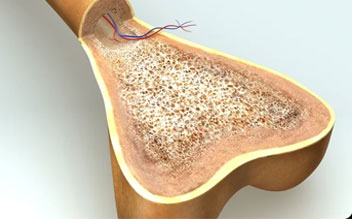
A bone marrow transplant (BMT) is a therapy option for children suffering from cancer or other disorders. The purpose of bone marrow...
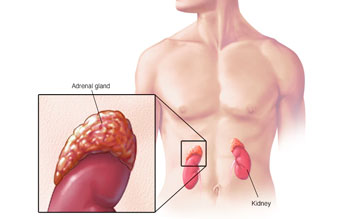
Neuroblastoma is a malignant tumor. It develops in the nervous tissue of infants and young children. Cancer cells proliferate
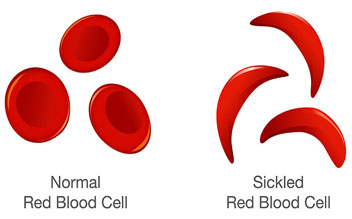
Sickle cell anemia is a hereditary disorder that affects hemoglobin, the component of red blood cells that transports oxygen...
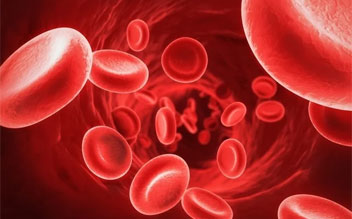
Platelets are the cells that cause blood clots, hence platelet abnormalities cause wounded blood arteries to bleed more than usual...
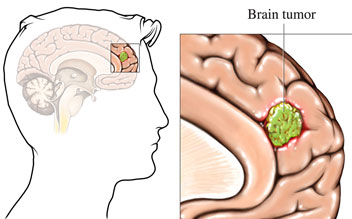
A brain tumor is an abnormal growth of tissue within the brain. The brain forms part of the central nervous system (CNS).
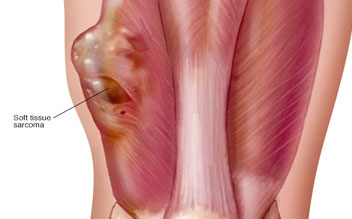
Soft tissue sarcomas are malignant tumors that develop in soft tissue, including muscle, fibrous tissues, tendons, fat, nerves,...
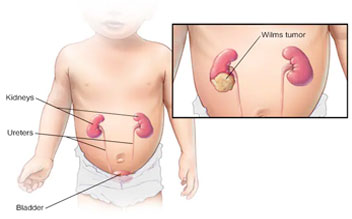
Wilm's tumor is a kidney tumor that nearly usually affects youngsters. This disease accounts for roughly 90% of kidney...
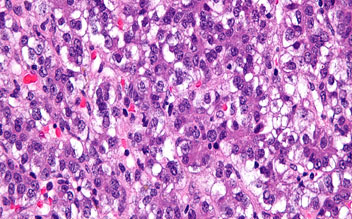
Hepatoblastoma is an extremely uncommon kind of cancer. It is a tumor that originates in the liver. It often affects children aged...
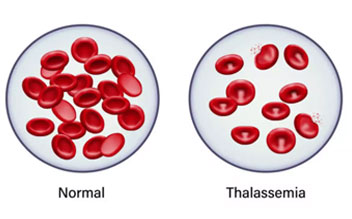
Thalassaemia is an inherited hereditary blood condition that causes permanent anemia. People with thalassaemia...