
Bone Marrow Transplantation
Children's Bone Marrow Transplant
Pediatric bone marrow transplant?
A bone marrow transplant (BMT) is a therapy option for children suffering from cancer or other disorders. The purpose of bone marrow transplantation is to replace a child's damaged bone marrow with healthy bone marrow.
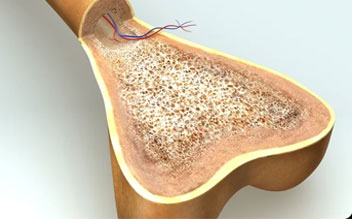
Bone marrow is the spongy substance in the middle of the bones that produces all sorts of blood cells, including stem cells, which are youthful blood cells. BMT entails purifying and reinserting stem cells into the same child. Or they are transferred to another ill youngster. These stem cells will develop into fresh, healthy bone marrow. The graft refers to stem cells that have been transplanted. Stem cell transplantation is another name for bone marrow transplantation.
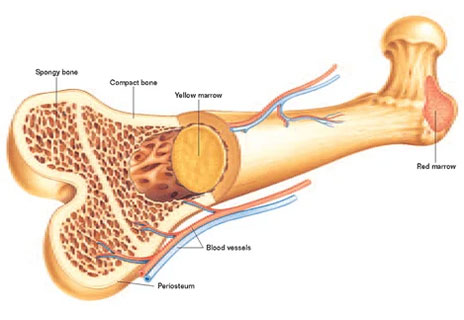
The fast advancement of medical research in recent years has resulted in a rise in the success rate of bone marrow transplants as well as an improvement in the survival rates for various forms of blood malignancies.
Bone marrow is an important aspect of your body because it helps your immune system work properly. When your bone marrow is damaged and there aren't enough white blood cells, red blood cells, or platelets, your immune system weakens and you become more susceptible to infections, disorders, and illnesses.
This can cause serious harm to your health and perhaps lead to lethal diseases. This is why bone marrow transplants are performed when the bone marrow is not performing properly, such as when you have bone marrow disease and bone marrow dysfunction occurs. The source of bone marrow deterioration or damage differs from person to person, therefore determining bone marrow disease symptoms can be challenging at times.
There are many forms of BMT based on how the healthy stem cells are obtained.
Transplantation of autologous bone marrow
Your child is your donor. Your child's stem cells can be harvested in two ways:
- PBSCs (peripheral blood stem cells) :- Apheresis is a technique for extracting stem cells from your child. (Apheresis is the collection of stem cells that float in the blood). Following extensive therapy, the cells are returned to your kid.
- Bone marrow harvest :- A needle is inserted into the soft middle of the bone to collect stem cells from your child. Hip bones are the most typically used regions for bone marrow harvesting because they have a higher concentration of stem cells.
Transplantation of allogeneic bone marrow
The donor is someone with the same or similar genetic type as your child.. This is frequently a brother or sister. Finding a compatible donor may be a time-consuming procedure. In some cases, a parent may be a donor. The donor might also be a matched unrelated donor (MUD) found through a bone marrow registry. The donor's stem cells are extracted via apheresis or bone marrow extraction.
Transplantation of umbilical cord blood
Stem cells are extracted from a baby's umbilical cord shortly after birth.
These stem cells turn into mature blood cells faster and more efficiently than stem cells from another child's or adult's bone marrow. The stem cells are inspected, typed, and numbered before being frozen until they are utilized in a transplant.
What are the chances that my child may require a bone marrow transplant?
The purpose of BMT is to treat numerous illnesses, including cancer. It can be used to do the following:
- Replace damaged bone marrow with healthy bone marrow This is done to treat diseases including leukemia, aplastic anemia, and sickle cell anemia.
- Replace bone marrow following cancer treatment with heavy doses of chemotherapy or radiation. This surgery is generally referred to as rescue rather than transplant. This is used to treat conditions including lymphoma and neuroblastoma.
- Replace diseased bone marrow with healthy bone marrow to avoid further harm from a hereditary illness. This procedure is used to treat illnesses such as Hurler syndrome and adrenoleukodystrophy disorder.
- Cancers such as leukemia, lymphoma, neuroblastoma, rhabdomyosarcoma, brain tumors, or kidney cancer can be treated with BMT.
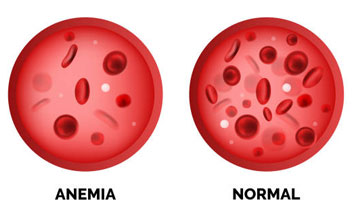
- Anaplastic anemia
- Immune deficiency, such as sickle cell disease, thalassemia, Diamond Blackfan anemia, Hurler syndrome, or adrenoleukodystrophy condition.
How can I assist my child in preparing for a bone marrow transplant?
- Your kid is thoroughly evaluated by the bone marrow transplant specialists before to the transplant. The team will go over the risks and benefits of transplant as well as alternative treatment choices with you.
- Your Kid will be subjected to physical examinations and testing. The tests examine your child's blood as well as organ functioning such as the heart, kidneys, liver, and lungs.
- Your kid may be required to visit the transplant facility up to ten days before the transplant. A central venous line (catheter) is a thin, flexible tube surgically inserted in a vein in your child's chest. The catheter will be used to provide blood products and medications.
The days preceding the transplant are considered as negative days. Day 0 is the day of the transplant. Plus days are noted for engraftment and recuperation after the transplant. A Kid, for example, may be admitted to the hospital on day -8 to prepare for the BMT. The transplant will be followed by days +1, +2, and so on. Each day before, during, and after the transplant has potential occurrences, consequences, and hazards. The days are counted to assist you and your kid in understanding where you stand in terms of risks and discharge plans.
What occurs during a child's bone marrow transplant?
Once compatible stem cells have been identified, your kid will be given heavy doses of chemotherapy or radiation (or both) to destroy any existing bone marrow. This enables the formation of new bone marrow cells. This is known as ablative or myeloablative treatment. It prevents the formation of new blood cells. The bone marrow is depleted. To allow the new stem cells to mature and build a new system for making new blood cells, the marrow must be empty.
The stem cells are then given to your kid through an IV in a large vein, generally in the chest.
This is referred to as a central venous catheter. Obtaining stem cells is analogous to receiving a blood transfusion. The stem cells migrate into the bone marrow. They begin to grow and generate new, healthy blood cells.
Your kid may have the following symptoms during bone marrow infusion:
- Pain
- Chills
- Fever
- Hives
- Chest pain
What occurs when a kid has a bone marrow transplant?
Your kid may:
- Be at risk for infection
- Experience some bleeding
- Experience nausea, vomiting, diarrhea, mouth sores, and acute weakness
- Experience some emotional distress
To prevent and cure infections, side effects, and problems, your kid will get supportive care.
During this time, your child may:
- Spend several weeks in the hospital
- Be confined to a very clean environment to reduce the risk of infection
- Take multiple antibiotics and other medicines
- Need blood transfusions
- Be given medicine to prevent graft-versus-host disease
Engraftment of stem cells occurs when donor cells enter the bone marrow and begin producing new blood cells. Engraftment often occurs between days +15 and +30. This varies according to the type of transplant and the ailment being treated. Following the transplant, blood tests will be performed regularly to count blood cells. Platelets are often the final blood cells to heal.
Engraftment might be delayed in rare circumstances. This might be related to an infection, medications, a limited number of donated stem cells, or transplant failure. The new bone marrow may begin producing cells within 30 days after the transplant. However, your child's immune system may take months or years to fully heal.
When your kid is ready to go home, the healthcare staff will notify you. This is determined by a variety of factors, including:
- The extent of engraftment
- Complications
- Your child's overall health
- The distance between your home and the institution
Before you leave, you will be given instructions on how to limit your child's risk of infection.
These include:
- Specially filtered air chambers
- Dietary limitations
- Limiting Visitors
- Strict cleanliness
- Frequent bed linen changes
Your kid will next need to visit the transplant team regularly to:
- Monitor how well the therapy is working
- Look for symptoms of problems such as infection
- Manage side effects, infection, and other issues
The long-term success of each child differs. Your child's healthcare team will discuss his or her prognosis, follow-up care, and future therapies with you.
Can you live a regular life after a bone marrow transplant?
One thing to bear in mind is that it takes a long time to recuperate following a transplant. The transplant might take many weeks or months to complete. It is vital to have a medical plan in place so that you can take better care of your child. You can also seek assistance from friends and relatives. During the first several months, your child will feel weak and weary. There may be a significant shift in child hunger as well as how your child smell and taste food. Because all of your child cells are developing, it may take some time to resume child typical activities.
Related Treatment
A bone marrow transplant (BMT) is a therapy option for children suffering from cancer or other disorders. The purpose of bone marrow...
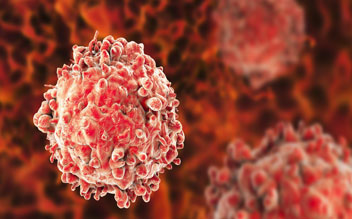
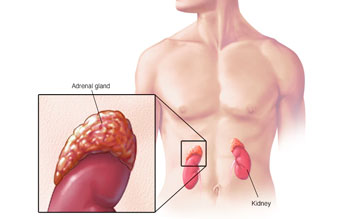
Neuroblastoma is a malignant tumor. It develops in the nervous tissue of infants and young children. Cancer cells proliferate
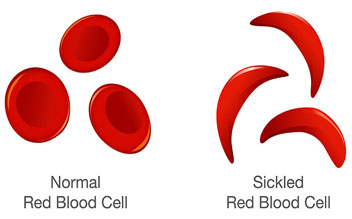
Sickle cell anemia is a hereditary disorder that affects hemoglobin, the component of red blood cells that transports oxygen...
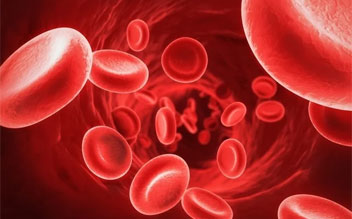
Platelets are the cells that cause blood clots, hence platelet abnormalities cause wounded blood arteries to bleed more than usual...
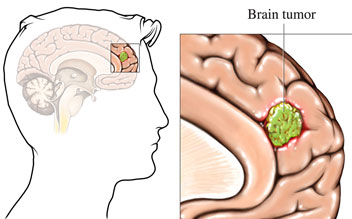
A brain tumor is an abnormal growth of tissue within the brain. The brain forms part of the central nervous system (CNS).
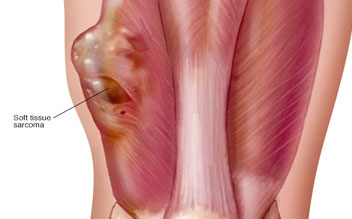
Soft tissue sarcomas are malignant tumors that develop in soft tissue, including muscle, fibrous tissues, tendons, fat, nerves,...
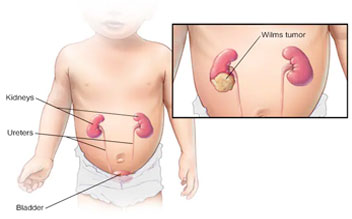
Wilm's tumor is a kidney tumor that nearly usually affects youngsters. This disease accounts for roughly 90% of kidney...
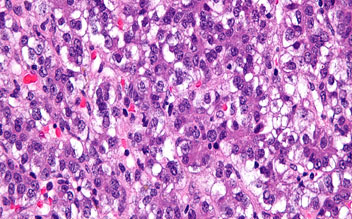
Hepatoblastoma is an extremely uncommon kind of cancer. It is a tumor that originates in the liver. It often affects children aged...
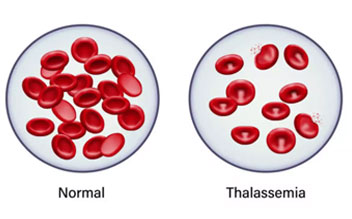
Thalassaemia is an inherited hereditary blood condition that causes permanent anemia. People with thalassaemia...