
What are brain tumors in children?
A brain tumor is an abnormal growth of tissue within the brain. The brain forms part of the central nervous system (CNS). The CNS also contains the spinal cord. The brain consists of the following key parts:
- The cerebrum : This is the front of the brain. The cerebrum has two sides: the right and left hemispheres. It regulates cognition, emotion, speech, and movement. It also aids comprehension of sensory information. This includes seeing, hearing, smelling, touching, and experiencing pain.
- The cerebellum : This is the rear of the brain. It coordinates muscular action and aids in maintaining posture, balance, and equilibrium.
- Brain stem : This is the brain's basis. It comprises the midbrain, pons, and medulla. It is the portion of the brain that links with the spinal cord. It helps control muscles and feelings in the body. A part of the brainstem regulates breathing and heart rate. Many of the cranial nerves originate in the brainstem. The cranial nerves send information from various regions of the upper body to the brain. These components include the muscles in the face and around the eyes.
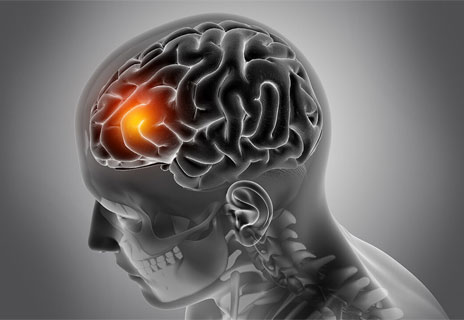
Brain tumors begin in the cells of the brain.
They might be one of the following:
- Benign : This kind of tumor does not include cancer cells. Most benign tumors do not grow back after being removed. Most benign brain tumors do not spread to surrounding tissue. These tumors can induce symptoms based on their size and location in the brain.
- Malignant : This type of tumor does contain cancerous cells. Malignant brain tumors typically develop quickly and spread to adjacent tissue. Malignant brain tumors can extend to other sections of the brain or the spinal cord, although they seldom move to other parts of the body. They may regrow following therapy.
Brain tumors can develop at any age.
Infant and kid brain cancers differ significantly from adult brain tumors.
Gliomas are the most prevalent form of brain tumors. Gliomas develop from glial cells, which form the brain's supporting tissue.
Causes of Brain Tumors in Children
Children's brain tumors cannot be prevented. Experts do not completely understand why they occur in youngsters. Certain variables raise a child's chance of having a brain tumor. This includes :- Having a family history of brain tumors.
- Common genetic diseases include neurofibromatosis, von Hippel-Lindau disease, Li-Fraumeni syndrome, and retinoblastoma.
- Received radiation treatment for a brain tumor.
Signs and Symptoms
The symptoms of a juvenile brain tumor differ depending on the size, nature, and location of the tumor. Symptoms may appear when a tumor pushes on a nerve or destroys certain areas of the brain.They may also arise when the brain expands or fluid accumulates in the skull. Common symptoms include headaches,
- Nausea
- Speech
- Vision and hearing changes
- Difficulty balancing or walking
- Changes in mood
- Personality or ability to concentrate
- Memory issues
- Muscle jerking or twitching (seizures or convulsions)
- Numbness or tingling in arms or legs
Diagnosis
After getting a comprehensive medical history and performing a physical examination on your kid, doctors may utilize the following diagnostic procedures to establish if a brain tumor exists:
- Neurological examination. Your child's physician will assess reflexes, muscular strength, eye and mouth movement, coordination, and awareness.
- Computerized tomography (CAT or CT scan). This imaging process employs X-rays and computer technology to generate cross-sectional pictures (known as slices) of the bones, muscles, fat, and organs.
- Magnetic resonance imaging (MRI). This imaging process creates comprehensive pictures of organs and structures within the body by combining huge magnets, radio frequencies, and a computer.
- X-ray. This imaging test employs invisible electromagnetic energy beams to capture pictures of inside tissues, bones, and organs on film.
- Perform a bone scan. This imaging technique captures X-rays of the bones after a dye is injected and absorbed by bone tissue.
- Angiograms. This imaging test employs a dye to examine all of the blood arteries in the brain to detect certain types of malignancies.
- Lumbar puncture or spinal tap. For this treatment, a specific needle is inserted into the lower back and the spinal canal around the spinal cord. A small volume of CSF fluid can be collected and submitted for examination.
Treating Brain Tumors in Children
In many cases, surgery is the first step in treating pediatric brain tumors. The objective is to remove as much of the tumor as possible while preserving healthy brain tissue. Tumors are sometimes tiny enough to be removed with ease.However, if the tumor is huge or close to sensitive areas of the brain, surgery carries a higher risk. The surgeon may only be able to remove a portion of the tumor or choose not to do surgery.
Pediatric surgeons employ cutting-edge procedures to remove brain tumors in even the most difficult-to-reach areas of the brain. These surgeons employ minimally invasive techniques to prevent damaging parts of the brain that regulate speech, movement, and other essential processes. For example, they employ endoscopic endonasal surgery to reach malignancies near the base of the skull (also known as skull-base tumors). To remove the tumor, proceed via the nostrils rather than the skull.
Other therapies for brain tumors include
- Chemotherapy, which targets tumor cells.
- Stem cell transplant (also known as bone marrow transplant): A stem cell transplant requires conserving a patient's healthy bone marrow while administering high-dose chemotherapy. Healthy cells are then reintroduced to the patient to assist the immune system in recuperating.
- Proton therapy is a highly precise and sophisticated kind of radiation therapy that targets cancer cells while minimizing harm to neighboring healthy tissues and organs.
- Stereotactic radiation treatment uses custom-shaped beams to target hard-to-reach locations and provide high doses.
- Intensity-modulated radiation treatment enables clinicians to alter the strength of radiation beams and provide radiation that adapts to the tumor's shape.
- Immunotherapy boosts the immune system's ability to combat cancer cells.
- Targeted antibody treatments are medications that attach to antibodies detected on cancerous cells. This "tags" the mutations (changes) or markers on cancer cells, allowing the immune system to more effectively detect and eliminate them.
Scientists are constantly developing novel techniques to treat children's brain tumors while minimizing adverse effects. Sometimes experimental therapy provides the best chance for a cure. If the pediatric oncologist feels your kid will benefit from experimental medicines, they will discuss the possibility of enrolling in a clinical research trial.
The care team will regularly evaluate your child’s symptoms, treatment response, side effects, and emotional well-being.
What is the prognosis for children with brain tumors?
Children with cancer have varying long-term outcomes based on characteristics such as tumor kind, size, location, disease stage at diagnosis, age, and general health status.
Prompt medical care and aggressive treatment are critical for the best outcome. When treatment is effective, families should consider the possibility that the cancer and its therapy will produce health concerns later in life. These can include a higher risk of heart, lung, and renal disease, cognitive difficulties, reproductive problems, or secondary malignancies. A supportive brain tumor survival program can give medical and emotional assistance throughout adulthood.
Important Points About Brain Tumors in Children -
- Brain tumors in children begin in the brain's cells and can develop at any age.
- Infants and children's growth patterns differ significantly from those of adults.
- Brain tumors are classified by cell type and location inside the brain.
- Common signs of a brain tumor include headaches, nausea, vomiting, and difficulty moving.
- Children are often treated with surgery, chemotherapy, and radiation therapy.
- Regular follow-up is crucial to monitor the effects of tumors, therapy, and cancer recurrence.
Related Treatment
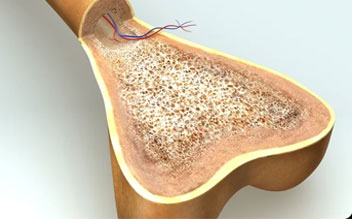
A bone marrow transplant (BMT) is a therapy option for children suffering from cancer or other disorders. The purpose of bone marrow...
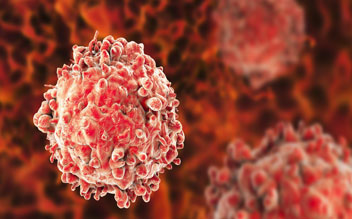
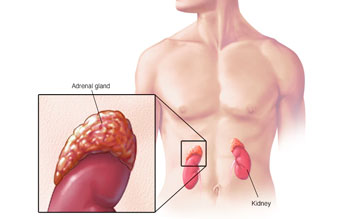
Neuroblastoma is a malignant tumor. It develops in the nervous tissue of infants and young children. Cancer cells proliferate
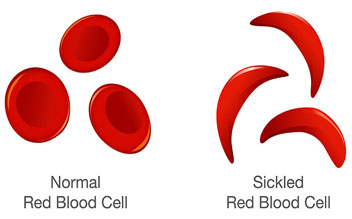
Sickle cell anemia is a hereditary disorder that affects hemoglobin, the component of red blood cells that transports oxygen...
Platelets are the cells that cause blood clots, hence platelet abnormalities cause wounded blood arteries to bleed more than usual...
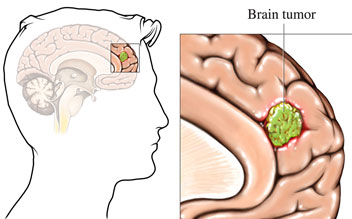
A brain tumor is an abnormal growth of tissue within the brain. The brain forms part of the central nervous system (CNS).
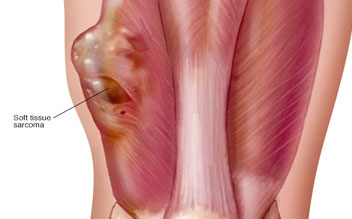
Soft tissue sarcomas are malignant tumors that develop in soft tissue, including muscle, fibrous tissues, tendons, fat, nerves,...
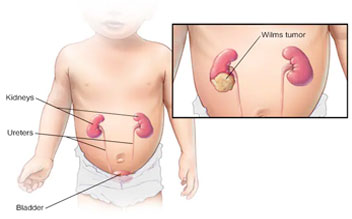
Wilm's tumor is a kidney tumor that nearly usually affects youngsters. This disease accounts for roughly 90% of kidney...
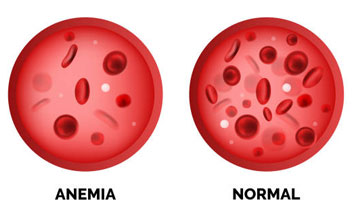
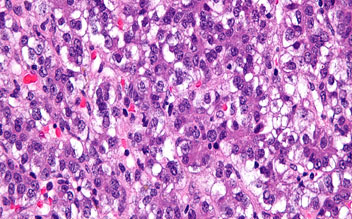
Hepatoblastoma is an extremely uncommon kind of cancer. It is a tumor that originates in the liver. It often affects children aged...
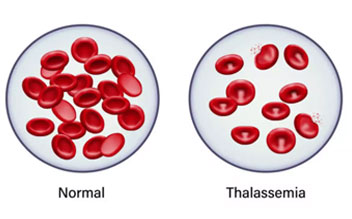
Thalassaemia is an inherited hereditary blood condition that causes permanent anemia. People with thalassaemia...