
Lung Cancer
Cancer develops when cells alter (mutate) and expand out of control. The aberrant (changed) cells frequently develop into a lump or mass known as a tumor. Cancer cells can also spread into (invade) surrounding locations. They have the ability to spread to other parts of the body as well. This is referred to as metastasis.
Lung cancer is a kind of cancer that begins in the cells that make up the lungs. The lungs are sponge-like organs in your chest. Their duty is to carry oxygen into the body and remove carbon dioxide.When you breathe in, air enters your lungs via your windpipe (trachea).
Lung cancer is classified into two types:
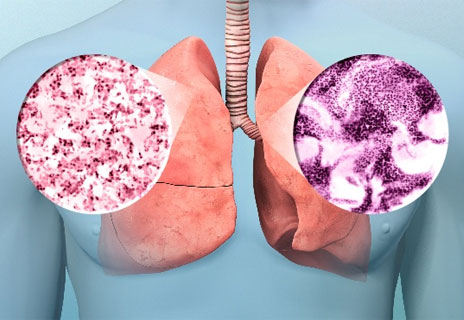
- NSCLC (non-small cell lung cancer) : The majority of lung cancers are non-small cell. They're called after the way cancer cells appear under a microscope. There are several forms of cancer, including squamous cell carcinoma, adenocarcinoma, and big cell carcinoma.
- Lung cancer with little cells : Small cell lung cancer has a lower incidence than non-small cell lung cancer. Oat cell cancer is another name for small cell cancer. This is because, when viewed via a microscope, cancer cells resemble oats. This kind of lung cancer can develop and spread more quickly than non-small cell lung cancer.
Who is at risk of developing lung cancer?
A risk factor is something that increases your chances of getting an illness. The precise etiology of someone's cancer may be unknown. However, risk factors can increase a person's chances of developing cancer. Some risk factors may be beyond your ability to control. Others, on the other hand, maybe something you can alter.
- Smoking
- Exposure to secondhand smoke
- Exposure to radon
- Exposure to asbestos and other chemicals such as arsenic and coal products
- Air Pollution
- Chest radiation therapy
- Personal history of lung cancer
- Family history of lung cancer
- HIV Infection
Can lung cancer be avoided?
There is no guaranteed strategy to avoid all types of lung cancer. However, you may be able to reduce your risk by:
- Not smoking or quitting if you do smoke
- Avoiding secondhand smoke
- Having your home tested for radon
- Limiting your exposure to chemicals that can cause lung cancer, such as diesel exhaust and asbestos
- Eating a healthy diet rich in fruits and vegetables
Are there lung cancer screening tests?
A screening test may detect lung cancer. Screening is the process of detecting a health concern before symptoms appear. It may aid in the detection of certain forms of cancer while they are tiny and frequently easier to cure.
A low-dose or spiral CT scan is used to screen for lung cancer. Consult your healthcare physician to determine whether screening is appropriate for you.
What are the signs and symptoms?
In its early stages, lung cancer frequently does not cause symptoms. When it is tiny and has not spread. Many lung cancers, in fact, do not present symptoms until they have spread.
When early lung cancer causes symptoms, they are generally similar to those experienced by smokers. Shortness of breath and coughing, for example, are early indicators of lung cancer.
These are some of the most prevalent lung cancer symptoms.
- Cough that doesn't go away or worsens over time
- Chest discomfort that becomes worse while coughing or taking a deep breath
- Coughing up blood or rust-colored mucus
- Shortness of breath
- Hoarseness
- Wheezing
- Appetite loss
- Unexpected weight loss
- Tiredness or weakness
- Pneumonia or bronchitis occurring more frequently than normal for you
- Swelling in the face or neck
Many of them might be caused by other health issues. However, if you experience these symptoms, you should consult your doctor. Only a doctor can determine whether or not you have cancer.
How is lung cancer identified?
Your doctor will inquire about your medical history, symptoms, risk factors, and family history of disease. A physical examination will be performed.If your doctor suspects you have lung cancer, you will need to have certain exams and tests performed.
A biopsy is the only way to determine whether or not you have cancer. Small bits of tumor tissue are removed and screened for cancer cells. Tests are also performed to determine the type of lung cancer you have.
A bronchoscopy may be performed by your doctor. A narrow tube-like scope with a light on the end is inserted via your mouth and advanced into your lung at this point. A portion of tissue can be extracted using the scope. To get a biopsy tissue sample, a needle biopsy can also be performed.
Following a lung cancer diagnosis, you will most likely require more testing. These assist your healthcare professionals in learning more about your general health as well as cancer. They are used to determine the stage of cancer. The stage of cancer refers to how much cancer is present and how far it has spread (metastasized) in your body. It's one of the most crucial things to understand when selecting how to treat cancer.
Once your cancer has been staged, your healthcare professional will discuss the implications of your therapy with you. Request that your physician explain the specifics of your cancer to you in a way that you comprehend.
What is the treatment for lung cancer?
Your treatment options are determined by the type of lung cancer you have, the findings of your tests, and the stage of the cancer. Treatment may aim to cure you, manage the disease, or alleviate symptoms caused by the cancer. With your healthcare team, go over your treatment options, treatment goals, and potential risks and side effects. Other considerations include whether the malignancy can be removed surgically and your general health.
Cancer therapy can be either local or systemic. Local therapies are used to eliminate, kill, or control cancer cells in a specific location. Local therapies include surgery and radiation. Systemic therapy is intended to eliminate or control cancer cells that have spread throughout your body.
Chemotherapy and Immunotherapy are systemic therapies that are administered via pill or injection. You might receive only one therapy or a mix of therapies.
What are the adverse effects of treatment?
Chemotherapy and radiation treatments for cancer can harm normal cells. Side effects include hair loss, oral sores, and vomiting. Discuss any adverse effects associated with your therapy with your healthcare professional. There are frequent solutions. Many therapeutic side effects may be preventable or controllable by actions and medications.
Managing Lung Cancer
When coping with cancer, many people experience anxiety, depression, and stress. Cancer treatment may be taxing on both the mind and the body. Continue to discuss this with your healthcare team.
Here are some pointers:
- Consult with family or friends
- Seek assistance from your healthcare team or a social worker
- Consult with a counselor
- Consult a pastor or rabbi for spiritual guidance
- Consult your doctor about antidepressant or anxiety medications
- Maintain a social life
- Participate in a cancer support group
Cancer therapy is also physically demanding. To keep healthy, try the following:
- Eat a nutritious diet that includes as many protein-rich meals as possible
- Hydrate yourself with water, fruit juices, and other beverages
- Maintain physical activity
- Take as much rest as you need
- Discuss with your healthcare provider how to handle treatment side effects
- Take your medications exactly as prescribed by your doctor
Related Treatment
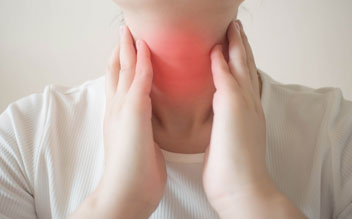
There are several types of head and neck malignancies, including those of the brain, eyes, spine, salivary gland, thyroid, sinuses, mouth, throat (pharynx),
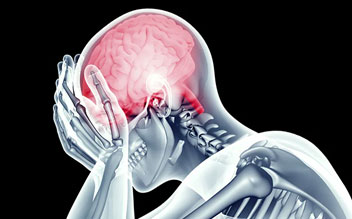
Brain tumors account for one of every 100 malignancies diagnosed in the United States each year. Most malignant brain tumors and brain cancers
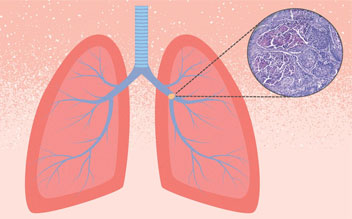
Cancer develops when cells alter (mutate) and expand out of control. The aberrant (changed) cells frequently develop into a lump or mass known as a tumor.
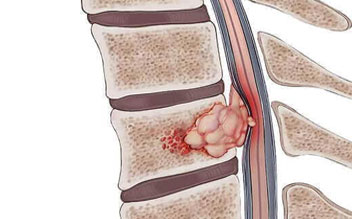
Spinal cancer is caused by abnormal cell growth in the tissues that make up the spine (including the spinal canal and vertebrae), resulting in the formation
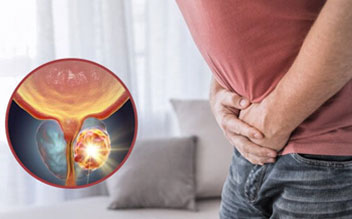
Prostate cancer is the most common type of cancer in men, but it is highly treatable when detected early. It all starts with the prostate gland..
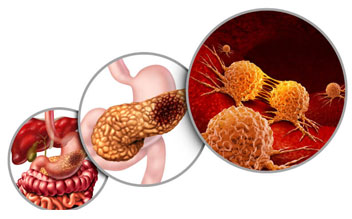
Pancreatic cancer is a type of cancer that starts with cell growth in the pancreas. The pancreas is located behind the stomach's lower portion.
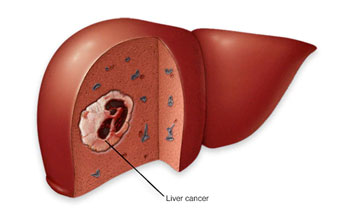
Primary liver cancer is a type of cancer that begins in the liver. There are several types: Hepatocellular carcinoma (HCC) or hepatoma
Breast cancer is the most common cancer in women in India, and it is the second leading cause of death in women, after lung cancer.
The primary function of our kidneys is to filter our blood. Masses (growths or tumours) can form inside our kidneys at times.