
Prostate Cancer
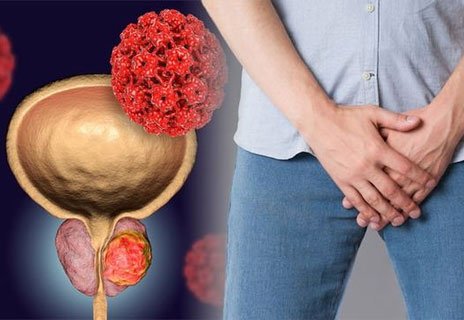
Prostate cancer is the most acommon type of cancer in men, but it is highly treatable when detected early. It all starts with the prostate gland, which is located between the penis and the bladder. Experts are unsure what causes it, but the risk rises with age.
Types of Prostate Cancer
Almost all prostate cancers are adenocarcinomas. These cancers arise from gland cells (the cells that produce the prostate fluid that is mixed with sperm).
Cancers that can begin in the prostate include:
- Cancers of the small cells
- Tumours of the neuroendocrine system (other than small cell carcinomas)
- Transitional cell carcinomas are cancers of the transitional cells.
Sarcomas
These additional types of prostate cancer are uncommon. If you've been diagnosed with prostate cancer, it's almost certainly an adenocarcinoma.
Some prostate cancers spread quickly, but the majority do not. Indeed, autopsy studies show that many older men (and even some younger men) who died from other causes also had prostate cancer that had not affected them during their lives.
Signs and symptoms of Prostate Cancer
Symptoms of prostate cancer are often absent in the early stages, but screening can detect changes that may indicate cancer. Screening Trusted Source entails a blood test that measures PSA levels. High levels indicate the presence of cancer.
- Males who do have symptoms may notice following
- Urination difficulty starting and maintaining
- A frequent urge to urinate, especially at night; a weak urine stream; blood in the urine; or sperm in the urine
- Urine or ejaculation pain in the back, hips, or pelvis
Patients with advanced prostate cancer may exhibit no symptoms. The potential symptoms will vary according to the size of the cancer and where it has spread in the body. In addition to the symptoms listed above, advanced prostate cancer can cause the following:
- Bone pain
- Unexplained weight loss
- Fatigue
Treatment
- Early stage prostate cancer : Treatment will be determined by the stage of the cancer, as well as other factors such as the Gleason score and PSA levels. It is also worth noting that, regardless of cancer stage, many treatment options may be available.
- Surgery : If surgery is required, it will be performed by a urologistor a cancer surgeon. This is a surgeon who specialises in treating urinary system problems.
To remove the tumour, they may perform a radical prostatectomy. In addition to the prostate, the surrounding tissue, seminal vesicles, and nearby lymph nodes may be removed during the procedure. This procedure can be performed by a doctor using open, laparoscopic, or robot-assisted laparoscopic surgery. - Radiation Therapy : Radiation Therapy uses to either kill or prevent cancer cells from growing.
- External radiation therapy : This method employs an external machine to deliver radiation to cancer cells. Conformal radiation therapy is a type of external radiation that employs the use of a computer to help guide and target a specific area, minimising the risk to healthy tissue while allowing a high dose of radiation to reach the prostate tumour.
- Internal radiation therapy : This method, also known as brachytherapy, employs radioactive seeds that a doctor implants near the prostate. Imaging scans, such as ultrasound or computed tomography, are used by surgeons to help guide the placement of the radioactive substance.
A medicinal hormonal blockade may also be used in the treatment of localised prostate cancer. Hormone therapy reduces or prevents the production of androgens (male sex hormones). Males' primary androgens are testosterone and dihydrotestosterone.
These androgens promote prostate development and are required for prostate cancer to progress. Reducing or blocking circulating levels of these hormones can temporarily slow the progression of prostate cancer.
Doctors may prescribe this for a set period of time following radiation therapy to reduce the risk of prostate cancer recurrence. - Advanced prostate cancer : Cancer can spread throughout the body as it grows. Treatment options will change if it spreads or returns after remission. Among the options are:
- Chemotherapy : Chemotherapy is a treatment that uses drugs to help stop the growth of cancer cells. While it can kill cancer cells throughout the body, it may have unintended consequences.
- Hormone therapy : Hormone therapy inhibiting or reducingSpecific androgens appear to slow or stop the growth of cancer cells. One option is to have the testicles, which produce the majority of testosterone, surgically removed, or to take an injection or pill that biochemically mimics the removal of the testicles, causing a similar effect in testosterone depletion.
- Targeted therapy Targeted therapy employs drugs or other substances that recognise and attack specific cancer cells. If someone has a BRCA mutation, for example, a PARP inhibitor oral medication can target the mutation and kill cancer cells.
- Immunotherapy : This treatment employs a person's immune system to aid in the fight against cancer. To help boost or restore the body's natural defences against cancer, scientists can use substances produced by the body or create them in the lab.
Related Treatment

There are several types of head and neck malignancies, including those of the brain, eyes, spine, salivary gland, thyroid, sinuses, mouth, throat (pharynx),
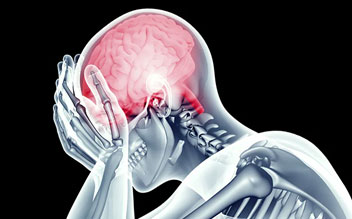
Brain tumors account for one of every 100 malignancies diagnosed in the United States each year. Most malignant brain tumors and brain cancers
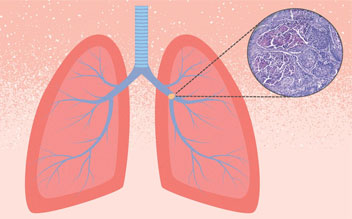
Cancer develops when cells alter (mutate) and expand out of control. The aberrant (changed) cells frequently develop into a lump or mass known as a tumor.
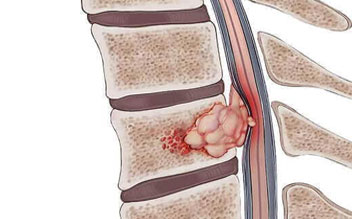
Spinal cancer is caused by abnormal cell growth in the tissues that make up the spine (including the spinal canal and vertebrae), resulting in the formation
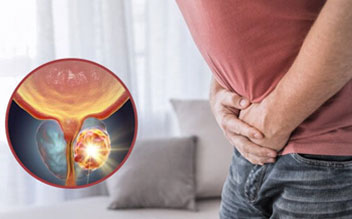
Prostate cancer is the most common type of cancer in men, but it is highly treatable when detected early. It all starts with the prostate gland..
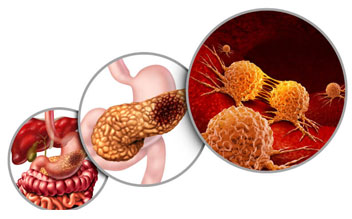
Pancreatic cancer is a type of cancer that starts with cell growth in the pancreas. The pancreas is located behind the stomach's lower portion.
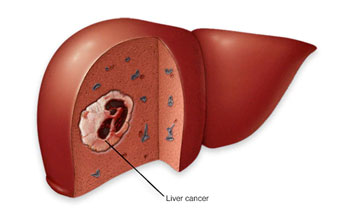
Primary liver cancer is a type of cancer that begins in the liver. There are several types: Hepatocellular carcinoma (HCC) or hepatoma

Breast cancer is the most common cancer in women in India, and it is the second leading cause of death in women, after lung cancer.
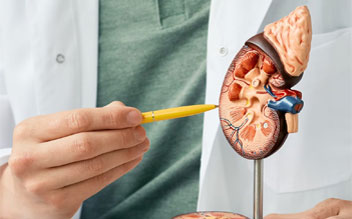
The primary function of our kidneys is to filter our blood. Masses (growths or tumours) can form inside our kidneys at times.