
Liver Cancer
Primary liver cancer is a type of cancer that begins in the liver. There are several types:
Hepatocellular carcinoma (HCC) or hepatoma is the most common type of primary liver cancer and begins in the liver's main cell type, the hepatocytes. Cholangiocarcinoma, or bile duct cancer, begins in the cells lining the bile ducts (which connect the liver to the bowel and gall bladder). Angiosarcoma begins in the blood vessels. This is a rare type of liver cancer that is more common in people over the age of 70.
Secondary liver cancer is cancer that began in another part of the body but spread to the liver. If you have secondary liver cancer, it may be helpful to read about the primary cancer as well as this information or about cancer of unknown primary.
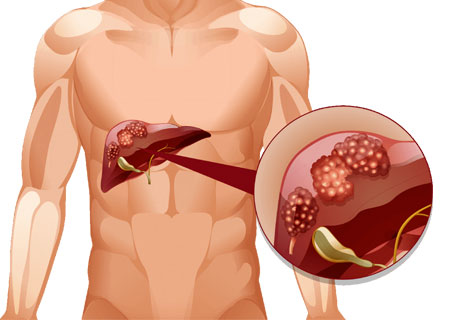
A secondary cancer is named after the primary site where it began, such as bowel cancer with secondary liver cancer. We use the term "secondary cancer in the liver" to refer to any cancer type that has spread to the liver in this information.
Liver cancer is a potentially fatal disease and one of the fastest-growing cancer types. Primary and secondary liver cancer are the two types. Primary cancer begins in the liver. Secondary cancer spreads from another part of your body to your liver.
Liver cancer signs and symptoms
Liver cancer symptoms are more likely to appear as the cancer grows or becomes advanced.
Some Common Symptomsinclude:
- Weakness and tiredness
- Pain in the abdomen
- Swelling of the abdomen due to a build-up of fluid (ascites)
- Pain in the right shoulder
- Loss of appetite and feeling sick
- Weight loss
- Yellowing of the skin and eyes (jaundice)
- Pale bowel motions
- Fever
Causes of liver cancer
Long-term (chronic) infection with Hepatitis B or C viruses can result in liver cancer. In Australia, this is the most significant known risk factor for primary liver cancer.
Other factors that can raise the risk of developing liver cancer include:
- Fatty liver disease, genetic disorders such as haemochromatosis, or a lack of alpha 1-antitrypsin
- Diabetes of type 2
- Hepatitis B or Hepatis C
- Consuming alcohol
- Obesity
- Consuming tobacco
- Exposure to certain chemicals
Treatment for Liver cancer
Surgery is curative treatment of cancer.
Tumour ablation and chemotherapy delivered directly into the cancer are the most common othertreatments for primary liver cancer.
Targeted Radiotherapy ,Chemotherapy or a combination of surgery, chemotherapyand Radiotherapy are the most common treatments for secondary liver cancer.
- Surgery : Surgery may involve the removal of a portion of the liver or a liver transplant, in which the entire liver is replaced by a donor liver.
Surgery may be appropriate for a small number of people with liver cancer, depending on the size, number, and location of the tumours.
A partial hepatectomy is surgery to remove a portion of the liver. If the remaining part of the liver is not damaged, it can usually repair itself and grow back to normal size over a few months after surgery. If there are tumours on both sides of the liver, surgery may be performed in two stages to allow the liver to regrow after the first procedure.
Some people cannot have a portion of their liver removed, and they may be considered for a transplant. Before a person is considered for a liver transplant, a number of factors are considered, including the person's overall health. Furthermore, a person must not smoke or use illegal drugs and must have abstained from alcohol for at least six months. A liver transplant may be possible; however, the wait for a suitable donor liver may be lengthy. During this time, most people are receiving other cancer treatments. - Tumour ablation : Tumour ablation is most commonly used to treat small primary liver cancers. It is rarely used to treat secondary liver cancer.
To heat and destroy cancer cells, the most common types of tumour ablation treatments employ Radiotherapy ,radio waves and microwaves. This treatment is delivered through the X Rays ( Radiotherapy ),skin with a needle (percutaneous ablation) or through a surgical cut (ablation with surgery).
Alcohol injection, in which pure alcohol is injected into the tumour to destroy cancer cells, and cryotherapy, which is surgery that freezes and kills cancer cells, are two less common types of ablation treatment.
Depending on the type of liver cancer, you may be given chemotherapy drugs to kill, shrink, or slow tumour growth. - Chemotherapy : Chemotherapy can be administered systemically, via tablets, or intravenously (via a drip), meaning it travels throughout the body. This may be administered after other treatments, such as surgery or cryotherapy, to eliminate any remaining cancer cells. It is usually not used to treat primary liver cancer unless it has spread to other parts of the body.
Systemic chemotherapy can also be used as palliative care to slow cancer growth and alleviate pain. - Chemoembolisation : Chemoembolisation (or TACE) refers to the administration of chemotherapy directly into the tumour. Because it is directly targeting the tumour, stronger drugs can be used. TACE is more commonly used in the treatment of primary liver cancer.
Related Treatment

There are several types of head and neck malignancies, including those of the brain, eyes, spine, salivary gland, thyroid, sinuses, mouth, throat (pharynx),
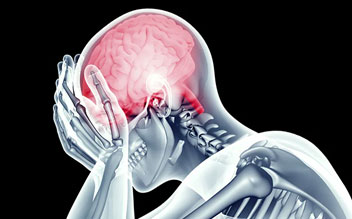
Brain tumors account for one of every 100 malignancies diagnosed in the United States each year. Most malignant brain tumors and brain cancers
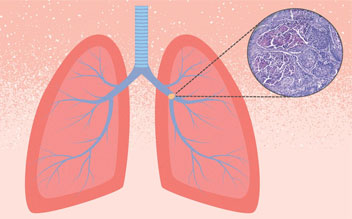
Cancer develops when cells alter (mutate) and expand out of control. The aberrant (changed) cells frequently develop into a lump or mass known as a tumor.
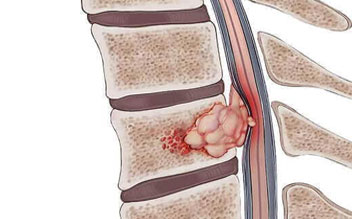
Spinal cancer is caused by abnormal cell growth in the tissues that make up the spine (including the spinal canal and vertebrae), resulting in the formation
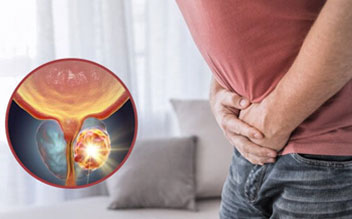
Prostate cancer is the most common type of cancer in men, but it is highly treatable when detected early. It all starts with the prostate gland..
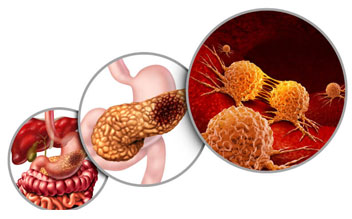
Pancreatic cancer is a type of cancer that starts with cell growth in the pancreas. The pancreas is located behind the stomach's lower portion.
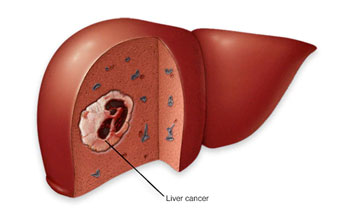
Primary liver cancer is a type of cancer that begins in the liver. There are several types: Hepatocellular carcinoma (HCC) or hepatoma

Breast cancer is the most common cancer in women in India, and it is the second leading cause of death in women, after lung cancer.
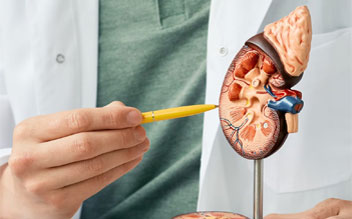
The primary function of our kidneys is to filter our blood. Masses (growths or tumours) can form inside our kidneys at times.