
Spine Tumors
Spinal cancer is caused by abnormal cell growth in the tissues that make up the spine (including the spinal canal and vertebrae), resulting in the formation of a malignant (cancerous) tumor. Spine tumours come in a variety of forms.
Primary tumours are those that begin in the spine (including the bones, nerves, and other tissues). Spinal cancer can be caused by either low-grade tumors that grow slowly or high-grade tumours that grow rapidly.
Most spine tumors are metastatic, which means they have spread from cancer in another part of the body. Most cases of metastatic spinal cancer are caused by lung, breast, or prostate cancer.
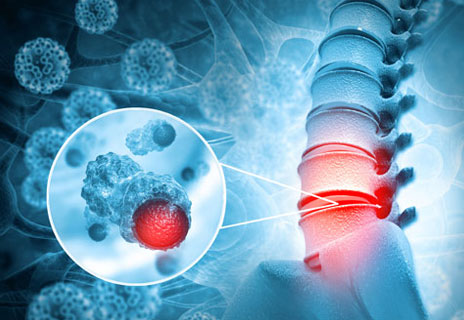
Types of Spinal Tumors
There are two types of spinal tumors:
Primary spinal tumours : Primary spinal tumours begin in the spinal column and spread to the bones, discs, nerves, and other tissues. Two of the most common primary cancerous spinal tumours are multiple myeloma and osteosarcoma.
Secondary spinal tumours : Secondary spinal tumours, also known as metastatic tumours, are cancers that have spread to the spine from elsewhere in the body (e.g., the breast, lungs, or prostate). These are the most common types of tumours found in the spine and can spread to other parts of the body. Over 90% of spinal tumours diagnosed are metastatic.
Spinal Cancer Symptoms
The symptoms of spinal cancer vary depending on the location and type of tumour. Some symptoms may appear gradually. They may also appear suddenly and rapidly at times. Among these symptoms are, but are not limited to:
- Pain in Back and/or neck
- Arm and/or leg ache
- Sexual function changes
- Standing and/or walking difficulties
- Fatigue
- Bowel or bladder dysfunction
- Loss of sensation in various parts of the body Muscle weakness
- Numbness in the limbs
- Paralysis
- Spinal deformities (for example, hunchback)
Causes of Spinal Cancer
The causes of spinal cancer are unknown currently. Some types of metastatic cancer can be avoided or treated before they spread to the spine. For example, Not smokinglowers the risk of lung cancer. Breast cancer, if detected early enough through screening, may be cured before it spreads to the spine.
The following are known risk factors for developing spinal cancer:
- Cancer history: Breast, lung, and prostate cancers are more likely to spread to the spine.
- Immune system dysfunction: People with compromised immune systems are more likely to develop spinal cord lymphomas, which are cancers that affect a type of immune cell.
- Hereditary disorders: Von Hippel-Lindau disease and neurofibromatosis (NF2) are inherited conditions that may be linked to spinal cord tumours.
- Chemical and/or radiation exposure: Individuals who have been exposed to radiation therapy or carcinogenic industrial chemicals may be at a higher risk of developing spinal cancer.
Diagnosis
A thorough medical examination to assess your symptoms is usually the first step in diagnosing a spine tumour. Your doctor will inquire about any back pain and/or neurological symptoms you are experiencing.
X-rays, computed tomography (CT) scans, and magnetic resonance imaging (MRI) may be prescribed to allow your healthcare provider to see the spinal cord and surrounding areas in detail in order to detect tumours. For an accurate diagnosis, one or more of these tests will be required.
A biopsy will be required if a tumour is detected on any imaging scans to determine whether the tumour is benign or malignant (cancerous). Spinal tumour biopsies are frequently performed using a minimally invasive technique. A CT scan is used by healthcare providers to guide the placement of a thin needle used to extract a sample of the tumour.
If the tumour is found to be malignant, a biopsy can determine the type of cancer, which aids in treatment planning.
Treatment
Treatment for spinal cancer varies depending on the type of cancer, its stage, and location. The following are common treatments for spinal cancer:
- Surgery : Surgery is frequently the gold standard treatment for tumours that can be removed without endangering the spinal cord or nerves.
New surgical techniques involving high-powered microscopes and other technologies enable neurosurgeons to distinguish tumours from healthy tissues and remove tumours from previously inaccessible areas of the spine.
High-frequency sound waves may be used to break up tumours and remove the fragments during surgery in some cases. - Chemotherapy : When a tumour cannot be removed safely or completely, other treatment options, such as chemotherapy, may be used. Chemotherapy is the use of medications to either destroy or stop the growth of cancer cells. It has long been used to treat many types of cancer.
Chemotherapy drugs can be injected into a vein or taken orally. The medication may be injected directly into the cerebrospinal fluid for some spinal cancers. Fatigue, nausea, vomiting, decreased appetite, increased risk of infection, and hair loss are all possible side effects. - Radiation Therapy : Radiation therapy is sometimes used as part of the treatment plan for spinal cancer. It is usually combined with surgery and/or chemotherapy. Following surgery, you may be given radiation therapy to eliminate any tumor remnants. It is also used to treat tumours that are inoperable or when surgery is too risky.
The type and size of your spinal tumour will determine the specific plan for your radiation treatment. External radiation therapy is commonly used to treat spinal cancer; the area radiated includes the tumor as well as the surrounding area. Radiation to the entire spine is sometimes used to treat metastatic spinal tumours.
If a small spine tumour is discovered, stereotactic radiosurgery (SRS), a precise form of radiation therapy, can direct radiation only to the tumour, reducing radiation exposure to the rest of the spinal cord. Gamma Knife is a type of SRS. Side effects of radiation therapy include nausea, vomiting, and fatigue.
Related Treatment

There are several types of head and neck malignancies, including those of the brain, eyes, spine, salivary gland, thyroid, sinuses, mouth, throat (pharynx),
Brain tumors account for one of every 100 malignancies diagnosed in the United States each year. Most malignant brain tumors and brain cancers
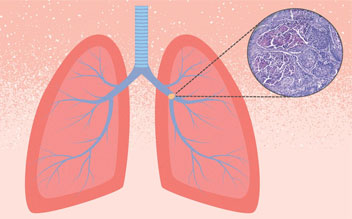
Cancer develops when cells alter (mutate) and expand out of control. The aberrant (changed) cells frequently develop into a lump or mass known as a tumor.
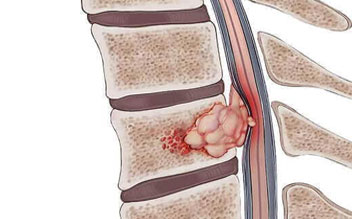
Spinal cancer is caused by abnormal cell growth in the tissues that make up the spine (including the spinal canal and vertebrae), resulting in the formation

Prostate cancer is the most common type of cancer in men, but it is highly treatable when detected early. It all starts with the prostate gland..
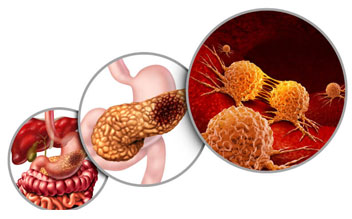
Pancreatic cancer is a type of cancer that starts with cell growth in the pancreas. The pancreas is located behind the stomach's lower portion.
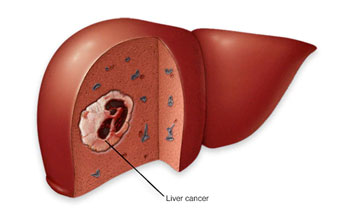
Primary liver cancer is a type of cancer that begins in the liver. There are several types: Hepatocellular carcinoma (HCC) or hepatoma

Breast cancer is the most common cancer in women in India, and it is the second leading cause of death in women, after lung cancer.

The primary function of our kidneys is to filter our blood. Masses (growths or tumours) can form inside our kidneys at times.