
Breast Cancer
Breast cancer is the most common cancer in women in India, and it is the second leading cause of death in women, after lung cancer.
Breast cancer is caused by the abnormal growth of cells that line the breast lobules or ducts. These cells proliferate at an alarming rate and have the potential to spread to other parts of the body. Breast cancer can affect both men and women, though it is more common in women. Breast cancer can affect transwomen and non-binary people.
Breast cancer can affect transgender and gender-diverse people. A transgender woman who takes medication to lower male hormones and increase female hormones may be more likely to develop breast cancer.

Breast cancer signs and symptoms
Some people have no symptoms and the cancer is discovered during a screening mammogram or a doctor's physical examination.
If you do experience symptoms, they may include:
- New lumps or thickening in the breast, particularly if only one breast is affected
- Nipple sores, change in nipple shape, discharge from nipple.
- Turning in nipple,discharge
- Breast alterations in size or shape
- Dimpling of the breast skin
- Armpit discomfort or swelling
- Rash or swollen red breasts
- Pain that persists after your period but is unrelated to your menstrual cycle and affects only one breast.
Causes of breast cancer
Some of the risk factors for breast cancer include:
- Advancing age
- History of the family
- Mutations in the genes BRCA2, BRCA1 (more common in Ashkenazi Jewish families), and CHEK2 are inherited.
- Female hormone exposure (natural and administered)
- Beginning your period before the age of twelve
- A previous diagnosis of breast cancer
- A history of non-cancerous breast conditions.
- Among the lifestyle factors that can slightly increase the risk of breast cancer in both men and women are:
- Being overweight, not getting enough physical activity, and drinking alcohol are all risk factors.
Treatment for Breast cancer
Treatment is determined by various factors, subtype of breast cancer, stage , molecular markers,the extent of the cancer.
- Staging : The size of the breast cancer and whether it has spread to the draining lymph nodes under the arm are assessed during staging. To determine the sites to which breast cancers most commonly spread, a CT scan of the chest, liver, and bone is performedor a PETCT is performed.
- Surgery : The most invasive surgical option for localised breast cancer is to remove the breasttumor and lymph nodes under the arm. Breast conserving surgery, also known as a lumpectomy, is performed when a portion of the breast is removed. After breast conserving surgery, radiotherapy is usually advised.
A mastectomy is when the entire breast is removed.
- Breast reconstruction and prostheses : You may consider how to restore your breast shape before or after surgery. You may want to think about a breast prosthesis or reconstruction. A breast prosthesis is a synthetic breast or part of a breast that is worn in a bra or under clothing to replace a portion or all of your natural breast. Breast reconstruction is a surgical procedure that creates a new breast. Discuss your options with your medical team.
- Chemotherapy : Chemotherapy may be used before surgery to help shrink the cancer, if the risk of cancer returning is high, or if the cancer returns after surgery or radiation therapy. If the cancer is HER2 positive or does not respond to hormone therapy, it may also be used.
- Radiation treatment (radiotherapy) : After breast-conserving surgery, radiation therapy (radiotherapy) is recommended to help destroy any undetected cancer. It is also advised if lymph nodes were removed from under the arm and there is a chance that the cancer will return. If there is a risk of the cancer returning to the chest area after a mastectomy, radiation therapy may be used.
- Hormone replacement therapy : Hormone therapy involves the use of medications to reduce the levels of female hormones in the body. This aids in the prevention or slowing of the growth of hormone receptor positive cancer cells. The type of hormone therapy you receive will be determined by your age, the type of breast cancer you have, and whether or not you have reached menopause.
- Targeted therapy : Drugs used in targeted therapy attack specific targets within cancer cells. The drugs currently available are only effective against HER2 positive breast cancer.
Related Treatment

There are several types of head and neck malignancies, including those of the brain, eyes, spine, salivary gland, thyroid, sinuses, mouth, throat (pharynx),
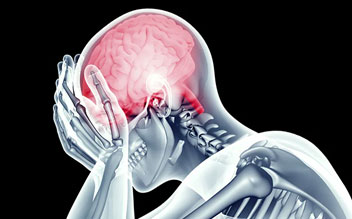
Brain tumors account for one of every 100 malignancies diagnosed in the United States each year. Most malignant brain tumors and brain cancers
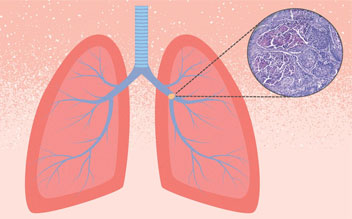
Cancer develops when cells alter (mutate) and expand out of control. The aberrant (changed) cells frequently develop into a lump or mass known as a tumor.
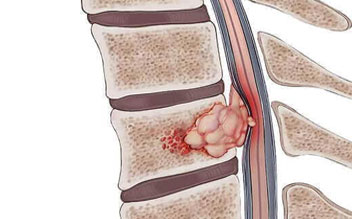
Spinal cancer is caused by abnormal cell growth in the tissues that make up the spine (including the spinal canal and vertebrae), resulting in the formation
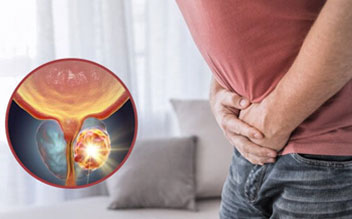
Prostate cancer is the most common type of cancer in men, but it is highly treatable when detected early. It all starts with the prostate gland..
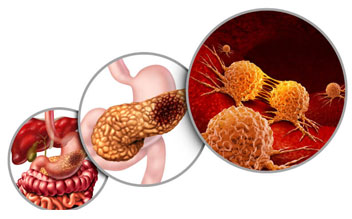
Pancreatic cancer is a type of cancer that starts with cell growth in the pancreas. The pancreas is located behind the stomach's lower portion.
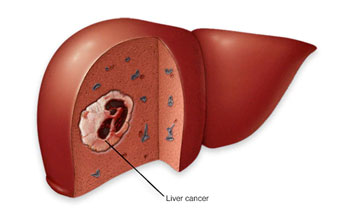
Primary liver cancer is a type of cancer that begins in the liver. There are several types: Hepatocellular carcinoma (HCC) or hepatoma

Breast cancer is the most common cancer in women in India, and it is the second leading cause of death in women, after lung cancer.

The primary function of our kidneys is to filter our blood. Masses (growths or tumours) can form inside our kidneys at times.