
Sickle Cell Anemia
Sickle cell anemia is a hereditary disorder that affects hemoglobin, the component of red blood cells that transports oxygen from the lungs to the rest of the body.
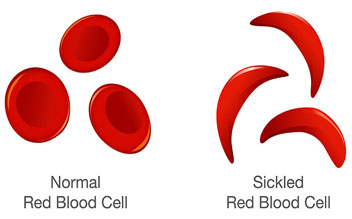
Normal hemoglobin-containing red blood cells are spherical, smooth, and flexible, allowing them to readily move through blood arteries.
Hemoglobin in sickle cell anemia sufferers is improperly formed and adheres together, causing red blood cells to stiffen and crescent, or sickle-shaped.
These sickle-shaped red blood cells are more fragile and perish faster than regular red blood cells. Red blood cells are in insufficient supply because they perish quicker than the body can replace them.
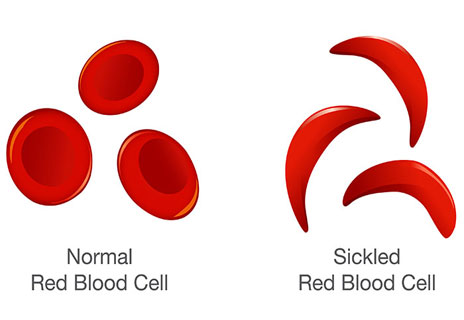
The sickle-shaped cells are also more difficult to move via blood arteries.They are sticky and can adhere to one another, causing the cells to accumulate and clog the blood artery. This can result in tissue and organ damage, as well as stroke.
Most children with SCD will develop symptoms during the first year, usually around the age of five months.
What causes a child to have sickle cell disease?
Sickle cell disease is present from birth. It is passed down when a kid inherits two sickle cell genes, one from each parent.
A kid with only 1 sickle cell gene is unaffected. However, he or she is a disease carrier. If 2 carriers produce a kid, their child is more likely to have sickle cell disease.
If a parent has had a kid with sickle cell disease, there is a 1 in 4 risk that another child may be born with the condition. A child, like his or her parents, has a 1 in 2 chance of being a carrier.
Which children are predisposed to sickle cell disease?
A child's risk of SCD is increased if there is a family history of the illness. SCD mostly affects African-born persons and Hispanics whose ancestors immigrated from the Caribbean.However, the gene has also been discovered in humans from the Middle East, India, Latin America, and the Mediterranean. It's also been discovered in American Indians.
What are the signs and symptoms of sickle cell disease in children?
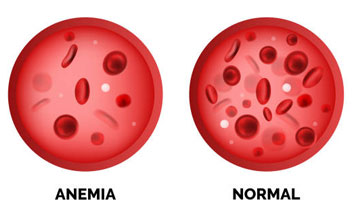
Most children with SCD will develop symptoms during their first year of life, usually around the age of five months. The symptoms of each youngster may differ. They might range from minor to severe. Anemia is one of the symptoms. This is the most typical symptom. Anemia is caused by a lack of red blood cells. Anemia can cause a youngster to appear pale and fatigued.
- Jaundice (yellowing of the skin, eyes, and lips). This is a rather frequent symptom. Sickle cells do not have the same lifespan as regular red blood cells.
- A pain or sickle crisis. Sickle cells can become caught when they travel through narrow blood channels. This creates discomfort by obstructing blood flow. This sharp pain can occur anywhere, although it most commonly happens in the chest, arms, and legs. Finger and toe swelling can be uncomfortable in babies and young toddlers. Tissue death may also result from obstructed blood flow.
- Acute thoracic syndrome. This occurs when sickle cells clump together and impede oxygen passage in the lungs' small arteries. This can be fatal. It frequently develops unexpectedly when the body is under stress due to illness, fever, or fluid loss (dehydration). It has the appearance of pneumonia and might include fever, discomfort, and a severe cough.
Any major organ can be affected by SCD. This can result in:
- Recurrent infections
- Leg ulcers or major sores
- Bone damage
- Gallstones
- Kidney damage
- Eye damage
- Multiple organ failure
Diagnosis
The diagnosis includes your family history, your child's medical history, and a physical assessment. If the screening test reveals SCD, a blood test known as hemoglobin electrophoresis may be performed. It can determine if your child is a sickle cell carrier. It can also determine whether your child has any of the disorders associated with the sickle cell gene. Other blood tests may be performed as well.
If both parents have the sickle-cell gene, doctors can do an amniocentesis, which collects a sample of the amniotic fluid around the fetus, to check for the disorder before the kid is born. This fluid can be analyzed for genetic abnormalities such as sickle cell anemia.
Treatment
A bone marrow transplant, commonly known as a stem cell transplant, is the sole treatment for sickle cell anemia. During this surgery, donor bone marrow cells replace the patient's own bone marrow, which produces new red blood cells for the body.
This treatment might have substantial negative effects, and finding a compatible donor can be difficult. As a result, unless the patient has severe sickle cell anemia, this therapy is typically avoided. Otherwise, treatment will typically focus on symptom management and preserving the patient's quality of life.
Antibiotics are frequently given to young children diagnosed with the syndrome to avoid infections such as pneumonia.Adults may also be given antibiotics to aid in the battle against infections.Vaccinations, especially for young children, are extremely crucial in preventing dangerous diseases.
Over-the-counter pain relievers and home therapies, such as applying heat to the afflicted region, can help some people manage their discomfort. Stronger pain medication is sometimes required and prescribed by their medical staff.
Patients may also be given medicine to assist the body produce fetal hemoglobin, which is present in newborns and can prevent sickle-shaped cells from forming. The long-term implications of this medicine are still being studied, and parents should consult with their medical team to see if it is an appropriate treatment strategy.
How can I assist my sickle cell patient child?
Advances in preventive treatment and new drugs have helped to alleviate the life-threatening complications of sickle cell disease. However, it remains a serious, persistent, and occasionally deadly condition. Your youngster should be closely monitored by professionals.
- The type of sickle cell disease your kid has
- The severity of the condition
- How frequently your child has problems
- How effectively you and your child adhere to preventive measures
You may not be able to completely protect your child against SCD problems. However, encouraging your child to adopt a healthy lifestyle might help alleviate some of the issues. Ensure that your child receives frequent eye examinations and stroke screenings. Discuss with your child's healthcare professional how to ensure that your child:
- Eats a balanced food
- Gets adequate sleep
- Drinks lots of fluids
Keep your youngster away from anything that might cause a crisis. These include: high heights, cold temperatures, and swimming in cold water.
Help your kid avoid infections by:
- Avoiding ill individuals
- Often washing his or her hands
- Receiving all recommended immunizations, such as pneumococcal
- Receiving all necessary screenings, such as hepatitis C
When should I contact my child's physician?
If your child has:
- Acute pain, primarily in the chest, abdomen, arms, or legs
- Fever
- Symptoms of an enlarged spleen
- Breathing difficulties
- Sudden eyesight loss
- Severe anemia symptoms
Important information about sickle cell disease in children
- Sickle cell disease (SCD) is a hereditary blood abnormality that occurs at birth. This signifies that it is inherited from one's parents' DNA.
- Red blood cells with SCD have an irregular C shape. They become lodged in tiny blood arteries and obstruct blood flow.This obstruction can cause discomfort and illness. It can also harm a child's vital organs and result in a stroke.
- As part of a series of screening procedures, newborns are tested for sickle cell disease.
- Most children will have symptoms throughout their first year of life, usually around the age of five months.
Related Treatment
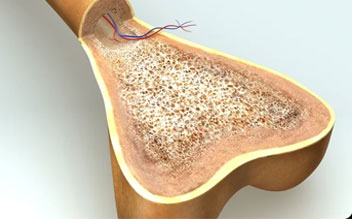
A bone marrow transplant (BMT) is a therapy option for children suffering from cancer or other disorders. The purpose of bone marrow...
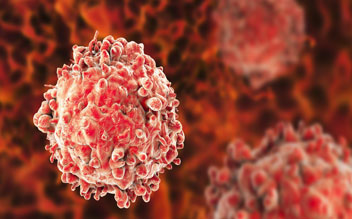
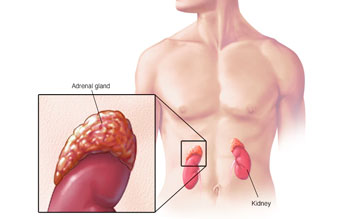
Neuroblastoma is a malignant tumor. It develops in the nervous tissue of infants and young children. Cancer cells proliferate
Sickle cell anemia is a hereditary disorder that affects hemoglobin, the component of red blood cells that transports oxygen...
Platelets are the cells that cause blood clots, hence platelet abnormalities cause wounded blood arteries to bleed more than usual...
A brain tumor is an abnormal growth of tissue within the brain. The brain forms part of the central nervous system (CNS).
Soft tissue sarcomas are malignant tumors that develop in soft tissue, including muscle, fibrous tissues, tendons, fat, nerves,...
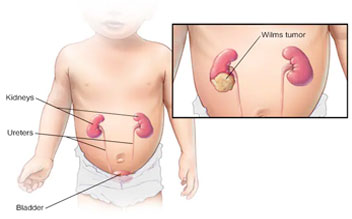
Wilm's tumor is a kidney tumor that nearly usually affects youngsters. This disease accounts for roughly 90% of kidney...
Hepatoblastoma is an extremely uncommon kind of cancer. It is a tumor that originates in the liver. It often affects children aged...
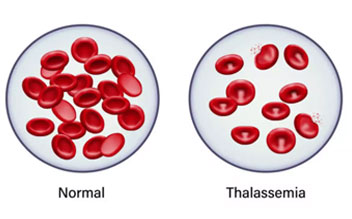
Thalassaemia is an inherited hereditary blood condition that causes permanent anemia. People with thalassaemia...