
Brain Tumors
Brain tumors account for one of every 100 malignancies diagnosed in the United States each year. Most malignant brain tumors and brain cancers have moved to the skull from other tumors in the body, such as breast and lung cancers, malignant melanoma, and blood cell malignancies (such as leukemia and lymphoma). Some brain tumors begin in the cells that nourish the brain's nerve cells, where they can push out normal cells and migrate to other parts of the body. Tumors, due to the pressure they exert on the brain, can either kill tissue or create difficulties in other regions of the body.
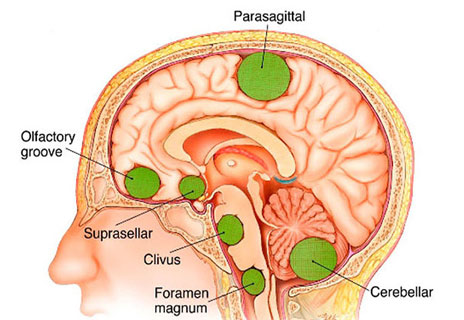
Brain tumors are classified according to the kind of cell involved (meningioma, astrocytoma, lymphoma, etc.) or the location in the brain. Metastasized cells can develop in one or more locations of the brain. Almost half of all brain tumors are non-cancerous (benign), slow-growing, and treatable.
Symptoms
Brain tumor symptoms vary depending on their location, size, pace of development, and stage. Because there is generally little swelling of the brain tissues, certain nonmalignant brain tumors that develop slowly can get quite large before causing symptoms. However, if they cannot be readily removed due to their size or location, they can be as dangerous as malignant brain tumors.
People who experience symptoms that do not go away should contact a doctor right away.
- Abnormal pulse and breathing rates can also occur
- Deep, dull headaches that recur frequently and persist without relief for long periods
- Difficulty walking or speaking
- Dizziness
- Eyesight problems, including double vision
- Seizures
- Vomiting
Blood pressure fluctuations can be substantial in the late stages of the illness. Seizures are a typical sign of benign brain tumors and malignancies that progress slowly. Tumors can make a section of the body weak or paralyzed. Hearing, sight, and smell can all be impaired. Individuals who exhibit personality changes, are easily confused and are unable to think coherently require quick medical assistance.
Risk Factors and Causes
Long-term exposure to ionizing radiation or substances such as vinyl chlorides, aromatic hydrocarbons, triazenes, and N-nitroso compounds are risk factors. In most cases, exposure happens at work. Tuberous sclerosis and von Hippel-Lindau disease are two genetically inherited disorders that might leave a person vulnerable to brain tumors. Three out of every five people with brain tumors are men. Brain tumors are more frequent in young or middle-aged adults, although they can occur at any age.
Diagnosis
The patient's symptoms frequently suggest the presence and location of a brain tumor. A neurologic exam may be performed by a clinician to check whether the patient's senses, reflexes, mental state, and memory are functioning normally. The doctor may also request imaging tests, like computed tomography (CT) or magnetic resonance imaging (MRI) of the brain, to localize the brain tumor and illustrate its size.
Following that, a biopsy can be conducted to determine the type of brain tumor and if it is malignant (cancerous). During a biopsy, a tiny sample of malignant tissue is removed and examined under a microscope. A biopsy is frequently performed during surgery to remove all or part of the brain tumor. Tumors hidden deep within the brain can sometimes be dangerous to approach. In such circumstances, a biopsy is performed utilizing a three-dimensional needle approach, in which advanced imaging equipment guides the positioning of a needle to allow cells to be sucked into the needle.
A spinal tap is sometimes performed so that spinal fluid may be collected and analyzed for cancer cells. This treatment cannot be performed if the tumor is creating pressure in the brain because the quick shift in pressure in the skull might result in herniation. Herniation is one of the most deadly potential consequences of a brain tumor, causing major breathing, heart rate, and blood pressure issues. Herniation eventually leads to unconsciousness and death if not treated early.
Treatment
Brain tumors are surgically removed whenever feasible. While many may be removed with little or no brain damage, some are placed in places where surgical removal is difficult or impossible without harming vital brain areas.
Surgery - induced brain injury can result in partial paralysis, alterations in sensation (feeling), weakness, and impaired reasoning. Even so, when a tumor affects vital brain structures, it must be removed. Even if surgery cannot cure cancer, it can help lower the tumor's growth. alleviate symptoms and aid in determining the kind of tumor and appropriate treatment.
Other therapies for brain tumors include:
- Radiation
- Chemotherapy
- Stem cell transplantation
Related Treatment

There are several types of head and neck malignancies, including those of the brain, eyes, spine, salivary gland, thyroid, sinuses, mouth, throat (pharynx),
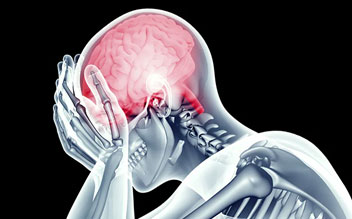
Brain tumors account for one of every 100 malignancies diagnosed in the United States each year. Most malignant brain tumors and brain cancers
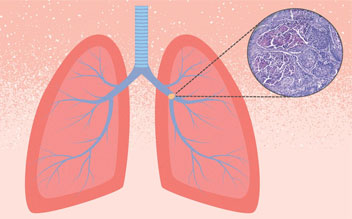
Cancer develops when cells alter (mutate) and expand out of control. The aberrant (changed) cells frequently develop into a lump or mass known as a tumor.
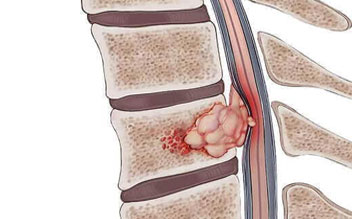
Spinal cancer is caused by abnormal cell growth in the tissues that make up the spine (including the spinal canal and vertebrae), resulting in the formation

Prostate cancer is the most common type of cancer in men, but it is highly treatable when detected early. It all starts with the prostate gland..
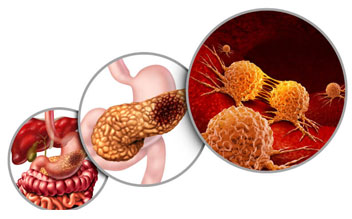
Pancreatic cancer is a type of cancer that starts with cell growth in the pancreas. The pancreas is located behind the stomach's lower portion.
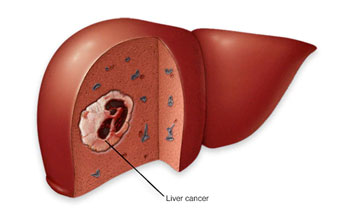
Primary liver cancer is a type of cancer that begins in the liver. There are several types: Hepatocellular carcinoma (HCC) or hepatoma

Breast cancer is the most common cancer in women in India, and it is the second leading cause of death in women, after lung cancer.
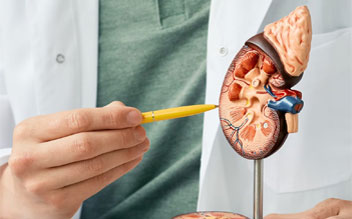
The primary function of our kidneys is to filter our blood. Masses (growths or tumours) can form inside our kidneys at times.