
Leukemia
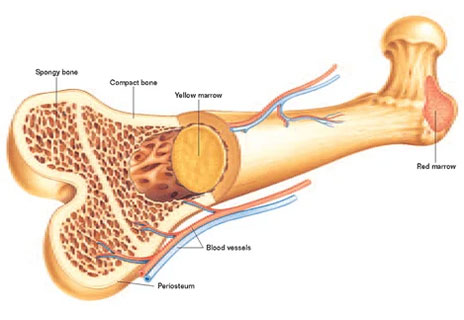
Leukemia is a kind of blood cancer. It is the most frequent kind of cancer in children. Cancer cells proliferate in the bone marrow and then enter the bloodstream. The soft, spongy interior of certain bones is called bone marrow. It is responsible for the production of blood cells. When a kid develops leukemia, the bone marrow produces immature blood cells. White blood cells (leukocytes) are the most common abnormal cells. In addition, the bone marrow produces fewer healthy cells. The abnormal cells multiply really fast. They do not function in the same way that healthy cells do.
Blood cells are classified as follows:
- Erythrocytes (red blood cells) :- Red blood cells transport oxygen. Anemia occurs when a youngster has a low number of healthy red blood cells. A kid may experience fatigue, weakness, and shortness of breath.
- Platelets (also known as thrombocytes):- Platelets aid in blood clotting and bleeding control. When a child's platelet count is low, he or she bruises and bleeds more readily.
- Leukocytes (white blood cells):- These are used to combat infection and illness. Infections are more frequent in children who have low amounts of white blood cells.
In children, there are several forms of leukemia. Most childhood leukemias are acute, which means they grow fast. Children can develop the following forms of leukemia:
- ALL (acute lymphocytic (lymphoblastic) leukemia). This is the most frequent kind of childhood leukemia.
- AML (Acute myelogenousleukemia )(myeloid, myelocytic, non-lymphocytic). This is the second most frequent kind of childhood leukemia.
- Leukemia of hybrid or mixed lineage. This kind is uncommon. It is a combination of ALL and AML.
- CML (chronic myelogenous leukemia). This kind is also uncommon among children.
- CLL (chronic lymphocytic leukemia). In children, this variety is exceedingly rare.
- JMML (juvenile myelomonocytic leukemia). This is an uncommon kind of cancer that grows slowly (chronic) rather than swiftly (acute).
What causes childhood leukemia?
The actual etiology of childhood leukemia is unknown. Certain disorders that are handed down from parents to children (inherited) enhance the risk of childhood leukemia. However, most juvenile leukemias are not hereditary. Researchers discovered variations (mutations) in the genes of bone marrow cells. These changes can occur at any time during a child's life, even before birth. They may, however, occur by coincidence (sporadic).
Who is at risk of developing childhood leukemia?
Childhood leukemia risk factors include:
- Having certain hereditary disorders, such as Down syndrome and Li-Fraumeni syndrome
- Having an inherited illness that impairs the body's immune system
- Having a sibling or sister with leukemia
What are the symptoms of childhood leukemia?
Many variables influence the symptoms. Cancer can occur in bone marrow, blood, and other tissues and organs. The lymph nodes, liver, spleen, thymus, brain, spinal cord, gums, and skin may all be affected.
Symptoms may manifest differently in each child. They may include the following:
- Pale skin
- Tiredness, weakness, or coldness
- Dizziness
- Headaches
- Shortness of breath, difficulty breathing
- Recurrent or long-term infections
- Fever
- Bruising or bleeding easily, such as nosebleeds or bleeding gums
- Bone or joint discomfort
- Belly (abdominal) swelling
- Weight loss
- Swollen lymph glands (nodes)
Leukemia symptoms might mimic those of other medical disorders.
How is childhood leukemia diagnosed?
Your child's healthcare practitioner will ask you several questions regarding his or her symptoms. He or she will examine your youngster. Blood testing and other tests may be recommended by your child's healthcare professional.
A complete blood count (CBC) determines the quantity of red blood cells, white blood cells, and platelets. If the results are abnormal, your child's doctor may refer him or her to a pediatric cancer expert (pediatric oncologist). The oncologist may order further testing for your kid, such as a
A bone marrow aspiration or biopsy. It is the site of the formation of blood cells. It is possible to ingest a small amount of bone marrow fluid.This is known as aspiration. Alternatively, solid bone marrow tissue can be obtained. This is known as a core biopsy. Bone marrow is often extracted from the hip bone. This test determines whether cancer (leukemia) cells exist in the bone marrow.
- Blood and bone marrow testing in the lab. Flow cytometry and immunohistochemistry are two examples of tests. These tests identify the specific form of leukemia. DNA and chromosomal testing may also be performed.
- X-ray. An X-ray takes photographs of bones and other bodily tissues using a little quantity of radiation.
- Sonography (ultrasound). This test generates graphics using sound waves and a computer.
- Biopsy of lymph nodes. A tissue sample is collected from the lymph nodes. A microscope is used to look for cancer cells.
- The lumbar puncture. A specific needle is inserted into the spinal canal in the lower back. This is the region around the spinal cord. This is done to look for cancer cells in the brain and spinal cord. A little volume of cerebral spinal fluid (CSF) is extracted and tested. The fluid that surrounds the brain and spinal cord is known as CSF.
When leukemia is diagnosed, the doctor will determine the specific kind of leukemia. Leukemia, unlike most other malignancies, does not have a stage number. It is instead divided into groupings, sub-types, or both.
The classification of leukemia is quite difficult. However, it is a crucial aspect of developing treatment strategies and forecasting treatment outcomes. Make sure your child's healthcare practitioner explains the stage of his or her leukemia to you in a way that you understand.
How is childhood leukemia treated?
Your kid may require treatment for low blood counts, bleeding, or infections initially.
- A blood transfusion with red blood cells if your kid has low blood levels
- Platelet-rich plasma transfusion to assist stop bleeding
- Antibiotic medication to treat any infections
The kind of leukemia and other variables will influence treatment. Any of the following treatments can be used to treat leukemia:
Chemotherapy is one option. These are drugs that either kill or inhibit the growth of cancer cells. They can be injected into a vein (IV) or spinal canal, injected into a muscle, or taken orally. Chemotherapy is the primary treatment for the majority of childhood leukemias. Several medications are frequently administered at different times. It is often performed in cycles, with rest intervals in between. This allows your youngster to recuperate from the negative effects.
- Radiation treatment. These are X-rays or other forms of radiation with a high energy. They are used to either kill or inhibit the growth of cancer cells. In some circumstances, radiation may be employed.
- Chemotherapy at high doses followed by a stem cell transplant. Young blood cells (stem cells) are extracted from the kid or from another person. This is followed by a significant dose of chemotherapy medication. This causes bone marrow destruction. The stem cells are replenished after the treatment.
- Targeted therapy. When chemotherapy fails, these medications may be effective. It might be used to treat children with chronic myeloid leukemia (CML), for example. Targeted treatment frequently has less serious adverse effects.
- Supportive care. Side effects of treatment are possible. Pain, fever, infection, nausea, and vomiting can all be treated with medications and other therapies.
- Immunotherapy is one type of treatment. This is a therapy that aids the body's immune system in attacking cancer cells.
What are the risks of childhood leukemia complications?
Complications from the tumor or treatment may occur in a youngster. They might either be short-term or long-term in nature.
Many adverse effects may occur as a result of treatment.
Some side effects may be insignificant. Some of them may be serious, even fatal. Your kid may be given medications to assist avoid or reduce negative effects.
- The return of the leukemia
- The growth of additional malignancies
- Heart and lung issues
- Learning difficulties
- Slowed growth and development
- Issues with future childbearing capacity
- Bone issues such as bone thinning (osteoporosis)
What can I do to protect my child against leukemia?
Most juvenile malignancies, including leukemia, are incurable. X-rays and CT scans provide extremely little danger. However, unless absolutely necessary, healthcare practitioners advise avoiding using them in pregnant women and children.
How can I assist my child in surviving leukemia?
A youngster with leukemia need continuing treatment. Oncologists and other healthcare specialists will examine your kid to treat any side effects of therapy and to monitor for signs or symptoms of cancer recurrence. Imaging and other tests will be performed on your youngster. In addition, your kid may need to see additional healthcare providers for concerns related to the cancer or treatment.
Important information regarding childhood leukemia
- Leukemia is a kind of blood cancer. Cancer cells form in the bone marrow and spread to the bloodstream. Lymph nodes, liver, spleen, thymus, brain, spinal cord, gums, and skin are among the other tissues and organs that may be impacted.
- When a kid develops leukemia, the bone marrow produces immature blood cells. White blood cells (leukocytes) are the most common aberrant cells. In leukemia, the bone marrow produces fewer healthy cells.
- Feeling fatigued and weak, easy bruising or bleeding, and frequent or long-term infections are all common symptoms of leukemia in youngsters.
- Blood and bone marrow tests are used to diagnose leukemia. Imaging tests may be performed to check for symptoms of leukemia in various places of the body.
- Chemotherapy is the primary treatment for most childhood leukemias. • A kid with leukemia may experience consequences from both the disease and the treatment.
- Follow-up care is required both during and after therapy.
Related Treatment
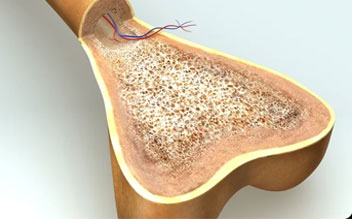
A bone marrow transplant (BMT) is a therapy option for children suffering from cancer or other disorders. The purpose of bone marrow...
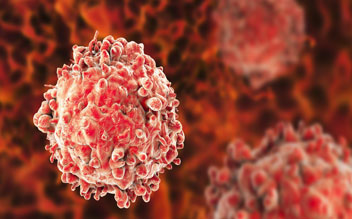
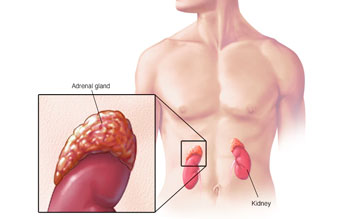
Neuroblastoma is a malignant tumor. It develops in the nervous tissue of infants and young children. Cancer cells proliferate
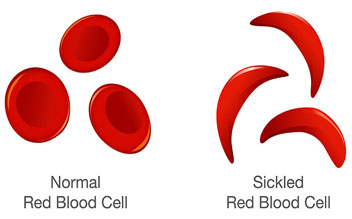
Sickle cell anemia is a hereditary disorder that affects hemoglobin, the component of red blood cells that transports oxygen...
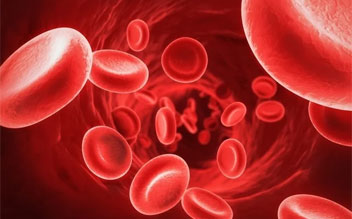
Platelets are the cells that cause blood clots, hence platelet abnormalities cause wounded blood arteries to bleed more than usual...
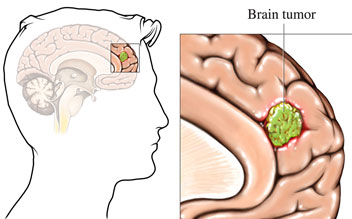
A brain tumor is an abnormal growth of tissue within the brain. The brain forms part of the central nervous system (CNS).
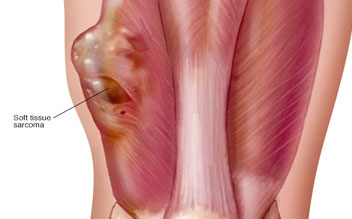
Soft tissue sarcomas are malignant tumors that develop in soft tissue, including muscle, fibrous tissues, tendons, fat, nerves,...
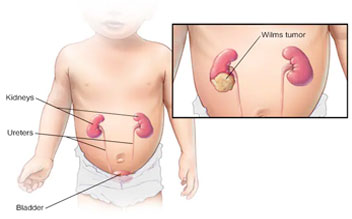
Wilm's tumor is a kidney tumor that nearly usually affects youngsters. This disease accounts for roughly 90% of kidney...
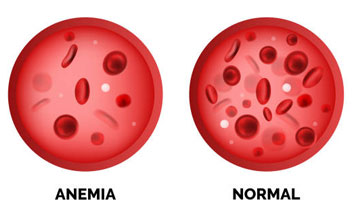
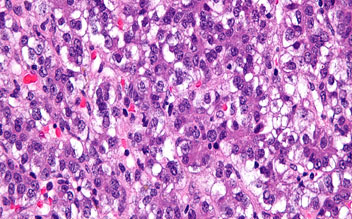
Hepatoblastoma is an extremely uncommon kind of cancer. It is a tumor that originates in the liver. It often affects children aged...
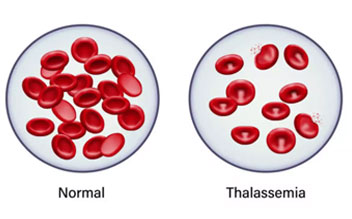
Thalassaemia is an inherited hereditary blood condition that causes permanent anemia. People with thalassaemia...