
Head and Neck Cancer
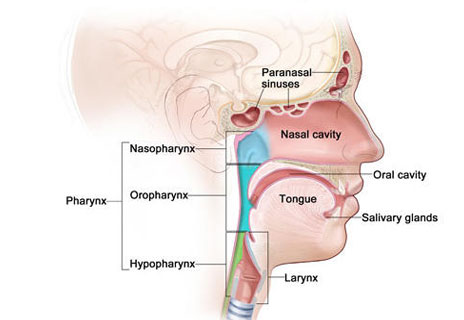
There are several types of head and neck malignancies, including those of mouth, throat (pharynx), and voice box (larynx)salivary gland, thyroid, sinuses. These tumors typically spread to lymph nodes around the afflicted region.
It might take few weeks to many years for the sickness to spread.
Head and neck cancer is the term given to cancers that start in cells found in the head and neck region.
Some of the most common types are:
- Cancer of the hypopharynx, or hypopharyngeal cancer : It starts in the bottom part of the throat, behind and beside the voice box.
- Cancer of the nasopharynx, or nasopharyngeal cancer : It starts in the upper part of the throat, behind the nose.
- Cancer of the oropharynx, or oropharyngeal cancer : It starts in the back of the mouth or the middle part of the throat.
- Cancer of the paranasal sinus : It starts in the small hollow spaces around the nose called sinuses.
- Cancer of the nasal cavity : It starts in the space just behind the nose.
- Cancer of the salivary gland : It starts in the salivary glands. These glands are found just below the tongue, on the sides of the face in front of the ears, and under the jawbone. There are also salivary glands in different parts of the upper digestive tract.
Who is at risk of developing head and neck cancer?
A risk factor is something that raises your chances of contracting a disease. The precise etiology of someone's cancer may be unknown. However, risk factors can increase a person's chances of developing cancer. Some risk factors are out of your hands. Others, on the other hand, may be something you can alter.
The following are the most major risk factors for head and neck cancer:
- Using tobacco in any form, including smokeless tobacco
- Consumption of alcoholic beverages
These two risk factors are responsible for more than three out of every four cases of head and neck cancer. People who use both tobacco and alcohol are more likely to get one of these malignancies.
Other risk factors for head and neck cancer include:
- An unhealthy diet
- Poor oral hygiene
- Betel quid or gutka chewing
- HPV infection
- Chemical exposure
- Weakened immune system
- Epstein-Barr virus infection
Diagnosis
The stage of cancer is determined by the doctor based on the size and location of the tumor, the size and number of lymph nodes involved, and how far the disease has spread. The condition is classified into four stages, with stage I being the mildest and stage IV being the most severe. Staging is crucial because it assists doctors in developing the most effective treatment approach.
A big lymph node in the neck might be clearly visible and felt, or it can be difficult to find. Doctors have various methods for diagnosing the condition, including:
- Examining the ears, nose, throat, larynx, tonsils, base of the tongue, thyroid, and salivary glands.
- X-rays and computed tomography (CT) images of different head and neck locations
- A biopsy. Rather than collecting a tiny tissue sample, the entire bulk is generally removed. It is inspected under a microscope to see whether malignancy is present.
Cancer Stages
Staging is frequently done before deciding on a cancer treatment. The staging method assists the Cancer Speciality in determining the prognosis and choosing the optimal treatment approach for each individual patient.
A pathologist analyzes and characterizes tumor cells under a microscope to stage cancer. A computed tomography (CT) scan, magnetic resonance imaging (MRI), or positron emission tomography (PET) scan can all be used to assess whether the tumor has progressed to the lymph nodes or other organs. The pathological description, as well as the scan results, assist the clinician in determining the stage.
Treatment
Your doctor will discuss the stage of your tumor as well as the best treatment option for you.
- Surgery and radiation therapy : Both are used to treat malignancies. Cancers that are larger in size are surgically removed. If the cancer returns, surgery and radiation may be required once more.
- Chemotherapy is one option : Cancer cells are killed by anti-cancer medications all over the body. Combining chemotherapy or Immunotherapy with surgery and radiation enhances the odds of a cure. Chemotherapy is alsoused to reduce tumors and ease pain in advanced malignancies.
Treatment side effects may include trouble swallowing and talking, skin changes, loss of taste, and inflammation of the stomach and gut walls.But These are well managed with Medication
Related Treatment

There are several types of head and neck malignancies, including those of the brain, eyes, spine, salivary gland, thyroid, sinuses, mouth, throat (pharynx),
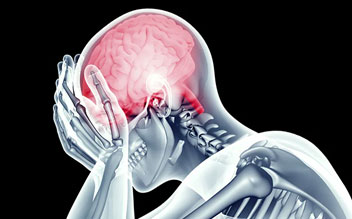
Brain tumors account for one of every 100 malignancies diagnosed in the United States each year. Most malignant brain tumors and brain cancers
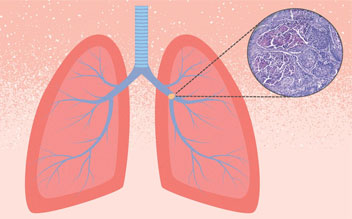
Cancer develops when cells alter (mutate) and expand out of control. The aberrant (changed) cells frequently develop into a lump or mass known as a tumor.
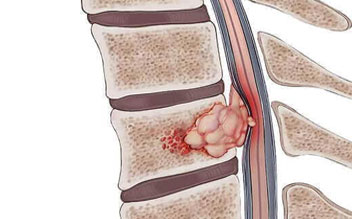
Spinal cancer is caused by abnormal cell growth in the tissues that make up the spine (including the spinal canal and vertebrae), resulting in the formation

Prostate cancer is the most common type of cancer in men, but it is highly treatable when detected early. It all starts with the prostate gland..
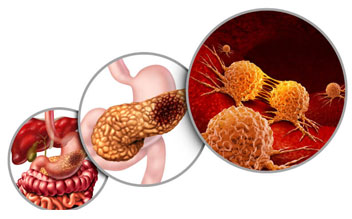
Pancreatic cancer is a type of cancer that starts with cell growth in the pancreas. The pancreas is located behind the stomach's lower portion.
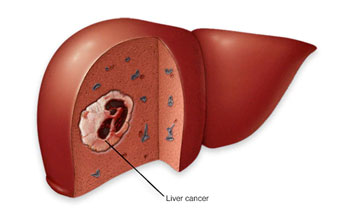
Primary liver cancer is a type of cancer that begins in the liver. There are several types: Hepatocellular carcinoma (HCC) or hepatoma

Breast cancer is the most common cancer in women in India, and it is the second leading cause of death in women, after lung cancer.

The primary function of our kidneys is to filter our blood. Masses (growths or tumours) can form inside our kidneys at times.