
Childhood Lymphoma
Lymphoma is defined as any malignancy that begins in the lymphatic system. The lymphatic system is a network of organs and capillaries that transports lymph, a transparent liquid, throughout the body. This network is an important component of the body's immune system. The lymphatic system aids in the removal of dead cells and other particles from the circulation. It also aids in the body's defense against pathogens such as bacteria and viruses.
Lymphoma is the third most prevalent childhood cancer, however it is still uncommon.
If your child develops lymphoma, it is not due to anything you or they did or did not do. They can't catch lymphoma and they can't spread it to others.
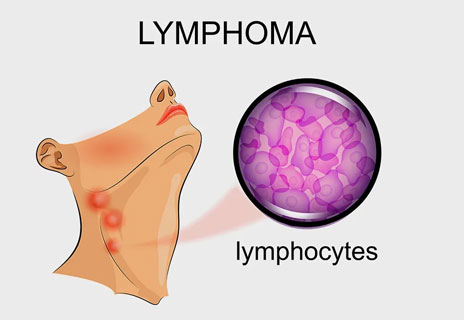
Lymphoma Subtypes :-
Lymphoma is classified into two types: Hodgkin Lymphoma and Non-Hodgkin Lymphoma.
Hodgkin lymphoma
Hodgkin lymphoma affects almost half of all children with lymphoma.
- The majority have a kind of lymphoma known as classical Hodgkin lymphoma.
- One in every five people has a less common variety termed nodular lymphocyte-predominant Hodgkin lymphoma (NLPHL).
Non-Hodgkin lymphoma (NHL)
Non-Hodgkin lymphoma affects almost half of all children with lymphoma. There are several forms of non-Hodgkin lymphoma.
Different categories are frequently classified together based on how they act. Some non-Hodgkin lymphomas (low-grade lymphomas) develop slowly, whereas others (high-grade lymphomas) grow swiftly. The majority of non-Hodgkin lymphomas in children are of the highest grade.Although this may seem concerning, high-grade lymphomas often react extremely well to therapy and are quite likely to go into remission (no sign of lymphoma) if the proper medication is used.
Children are affected by four major subtypes:
- Burkitt's lymphoma
- Diffuse large B-cell lymphoma
- Lymphoblastic lymphoma
- Anaplastic large-cell lymphoma
What are the symptoms of Lymphoma?
The lymphatic system is divided into several sections. These are some examples:
- Spleen (in the abdomen)
- Tonsils and adenoids (located in the neck)
- Thymus gland (located in the chest beneath the breastbone)
- Lymph nodes (also known as "glands") in the neck, underarms, stomach, and groin.
These organs and nodes are linked together via lymph veins.
Lymphoma can begin anywhere in the lymphatic system. When lymphocytes, which are cells in the lymphatic system, become abnormal, they frequently expand rapidly.
Lymphoma cells in the lymphatic system can spread throughout the body over time. These cells hinder healthy cells nearby from functioning correctly, making it harder for the immune system to function effectively. These cells also use resources and energy, starving healthy cells.
Is Lymphoma Inherited?
There is no seen pattern for lymphoma running in families, according to researchers.
Having a sibling or sister with Hodgkin lymphoma raises your chances of acquiring it. An identical twin of a person with Hodgkin lymphoma is likewise at high risk. However, most persons with Hodgkin lymphoma do not have a family history of the disease.
If a parent, brother, or sister has non-Hodgkin lymphoma, there is a slight increase in risk. Scientists are actively investigating this subject, however most persons with non-Hodgkin lymphoma have no family history of the disease.
What is the prevalence of lymphoma?
Childhood lymphoma is uncommon. Lymphoma accounts for around 8% of childhood and adolescent malignancies; 5% of children with cancer will have non-Hodgkin lymphoma, whereas 3% will have Hodgkin lymphoma.
Children under the age of 14 are more likely to develop non-Hodgkin lymphoma. However, as a kid reaches the age of 19, the probability of acquiring both non-Hodgkin and Hodgkin lymphoma becomes more equal. Hodgkin lymphoma is most typically diagnosed in adolescence. Lymphoma is seldom diagnosed in children under the age of 3.
Boys are 2 to 3 times more likely than girls to acquire non-Hodgkin lymphoma. It is also more prevalent among Caucasians than among African-Americans.
What are the signs and symptoms of lymphoma?
Not all lymphoma patients are youngsters or teens. Those that do may just exhibit a few or several symptoms.
- Lumps in the neck, underarm, stomach, testicles, or groin (also known as "swollen glands") are common signs of lymphoma.
- Fever
- Night sweats
- Tiredness
- Weight loss (for no apparent cause)
- Itchy skin
- Shortness of breath
- Cough
- Chest discomfort
- Poor appetite
- Swollen belly
Other than lymphoma, these symptoms might be caused by a variety of illnesses. If your kid develops any of these symptoms, consult a doctor.
How is lymphoma identified?
If your kid exhibits lymphoma symptoms, the doctor will do a thorough physical examination. A biopsy may be required to provide a diagnosis. During a biopsy, a portion of an abnormal lymph node is removed and examined under a microscope in the lab.
Children are frequently sedated with general anesthesia for this procedure. Local anesthetic is utilized when just numbing medication is applied to the skin.
How Lymphoma is Treated?
Treatment for different forms of lymphoma is required. Your kid's expert will collaborate with a group of health professionals (a'multidisciplinary team') to choose the best course of action for your child. They take into account the type of lymphoma your kid has and how it affects them, as well as other criteria including your child's age and overall health.
Each child's treatment is decided on an individual basis. Your kid's expert is the ideal person to speak with about the specific treatment plan they have in mind for your child. In general, however:
- If a clinical trial is available for your kid, they will most likely be offered therapy as part of it.
- The majority of youngsters get chemotherapy. This might be used in conjunction with antibody treatment.
- Some youngsters are undergoing Radiation.
- Except for children with nodular lymphocyte-predominant Hodgkin lymphoma (NLPHL), Surgery is rarely performed for children with lymphoma.
Who develops lymphoma as a child?
Hodgkin lymphoma can strike at any age, however it strikes more frequently in teenagers and young adults. Hodgkin lymphoma is uncommon in children under the age of five, and it affects boys more commonly than girls.
Non-Hodgkin lymphoma, like Hodgkin lymphoma, is more common in Boys . Non-Hodgkin lymphoma can develop at any age, although it is more frequent in individuals over 50, who account for more than 70% of all cases.
What are the lymphoma survival rates?
Survival rates for various types of pediatric lymphoma vary.
- Hodgkin lymphoma— By five years after diagnosis, the survival percentage for children who are detected and treated early is between 90% and 95%. After five years, the survival percentage for children whose illness has progressed throughout the body by the time they are detected and treated is over 90%.
- Non-Hodgkin lymphoma— Five years following diagnosis, approximately 80% of youngsters are disease-free. If cancer is detected early and has not progressed throughout the body, approximately 90% of children treated are disease-free five years following diagnosis.
Related Treatment
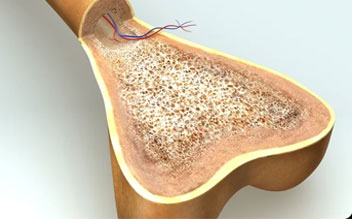
A bone marrow transplant (BMT) is a therapy option for children suffering from cancer or other disorders. The purpose of bone marrow...
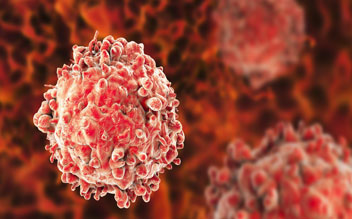
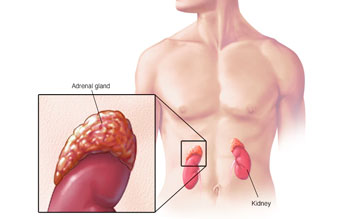
Neuroblastoma is a malignant tumor. It develops in the nervous tissue of infants and young children. Cancer cells proliferate
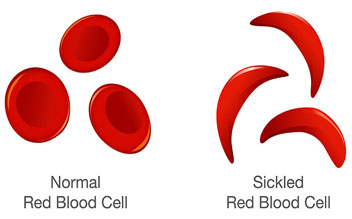
Sickle cell anemia is a hereditary disorder that affects hemoglobin, the component of red blood cells that transports oxygen...
Platelets are the cells that cause blood clots, hence platelet abnormalities cause wounded blood arteries to bleed more than usual...
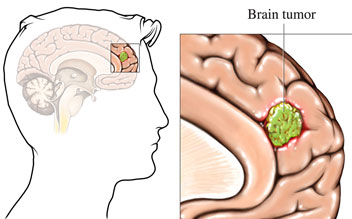
A brain tumor is an abnormal growth of tissue within the brain. The brain forms part of the central nervous system (CNS).
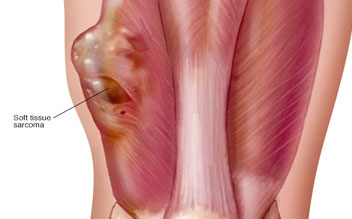
Soft tissue sarcomas are malignant tumors that develop in soft tissue, including muscle, fibrous tissues, tendons, fat, nerves,...
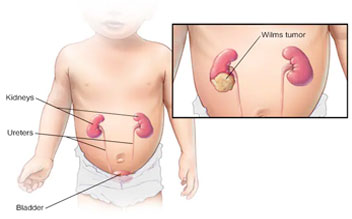
Wilm's tumor is a kidney tumor that nearly usually affects youngsters. This disease accounts for roughly 90% of kidney...
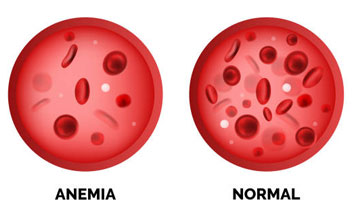
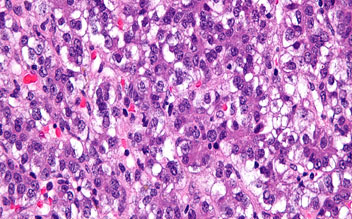
Hepatoblastoma is an extremely uncommon kind of cancer. It is a tumor that originates in the liver. It often affects children aged...
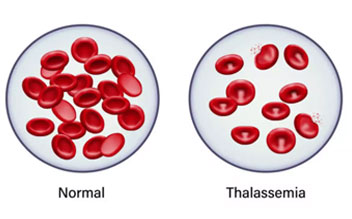
Thalassaemia is an inherited hereditary blood condition that causes permanent anemia. People with thalassaemia...