
Platelet Disorder
Platelets are the cells that cause blood clots, hence platelet abnormalities cause wounded blood arteries to bleed more than usual and heal more slowly.
What are platelets?
Blood is composed of many types of cells (red blood cells, white blood cells, and platelets) floating in a straw-colored liquid known as plasma. Platelets are the cells responsible for blood clot formation. Platelets cluster together to plug the damage site when a blood artery is injured. They also initiate a complex chemical mechanism that results in the formation of a fibrin mesh. This complex chemical reaction always follows a regular pattern, with each clotting protein (also known as a coagulation factor) being activated in the correct sequence.
Platelet problems arise when the platelet count in your blood is too high or too low, or when your platelets do not function properly.
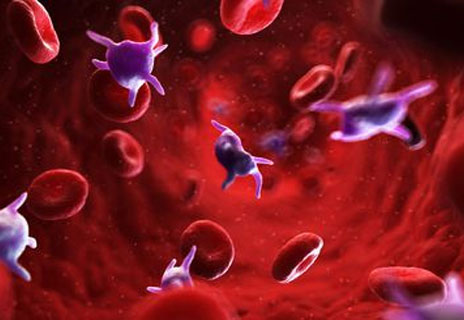
Platelet problems are of Different Types -
Thrombocytosis or thrombocythemia is characterized by a higher-than-normal platelet count. A high platelet count might cause blood clots to develop in your blood vessels. This might obstruct blood flow in your body.
Thrombocytopenia is defined as a platelet count that is lower than normal. Immune thrombocytopenia and thrombotic thrombocytopenic purpura are two kinds of thrombocytopenia. When your platelet count is low, your blood does not clot normally. You may have difficulty stopping the bleeding.
All of these illnesses result in aberrant clot formation and bleeding because the clotting mechanism is disturbed. Bruising after mild damage, bleeding from the mouth, nose, or digestive system, and severe bleeding after injury or surgery are all indicators of a platelet problem. They may appear shortly after birth when the umbilical cord is severed, or later in infancy while teething or growing more mobile.
What are the causes of Platelet Disorders?
The vast majority of platelet diseases are the result of a genetic flaw or mutation. Humans contain around 30,000 to 40,000 distinct genes, each of which plays a role in the development of a person. The genes are placed on 23 chromosomes in pairs (one from each parent) - unavoidably, some of these genes are defective.
The precise mechanism in which this mutation is handed on from parent to kid depends on the specific platelet problem. There may be no way to tell if someone is a carrier unless there have been other afflicted persons in the family, as most carriers remain healthy. The gene mutation arises spontaneously (out of nowhere) in some individuals, with no family history of clotting issues.
Platelet disorders affect some people from birth, while others acquire them later in life.
Symptoms -
Symptoms of aHigh Platelet Count
A blood clot is the most common cause of symptoms with a high platelet count.
- Chest discomfort, heart palpitations, and trouble breathing are some of your symptoms.
- Dizziness, visual abnormalities, weakness, numbness, slurred speech, or transient ischemia episodes.
- Excessive weariness
- Headaches
- Leg pain and swelling
- An abnormally big spleen or liver
Bleeding might occur when your platelet count is high but your platelets are not functioning appropriately. It can also occur when blood clots deplete all of your platelets. You may get nosebleeds, gum bleeding, and blood in your urine or stool. Blood in your feces might cause it to appear black.
Low platelet count symptoms
- Bleeding from your gums, nosebleeds, or prolonged bleeding after a minor injury are all symptoms of a low platelet count or platelets that do not function correctly.
- Blood in your feces, pee, or vomit, or black feces or vomit that resembles coffee grounds
- Susceptible to bruising
- Excessive fatigue
- Heavy menstrual periods
- Petechiae, which are tiny, flat red patches beneath the skin produced by blood vessels spilling.
- Purpura, which is skin bleeding that can form red, purple, or brownish-yellow patches.
- Excessive spleen or liver size
- Weakness and disorientation
What factors increase the likelihood of a platelet disorder?
Because of your age, family history and genetics, lifestyle behaviors, medications, other medical problems, race and ethnicity, or sex, you may be at a higher risk for a platelet issue.
- Typically affects infants and youngsters.
The genetics and family history
If you have mutations, or alterations, in the genes that regulate how your body manufactures platelets, you may be at a higher risk of developing a platelet problem. These mutations might be present at birth or develop later in life.
If a family member has a platelet disease or similar ailment that happens when the bone marrow produces an abnormally large number of cells, you may be at a higher risk of acquiring one.
Diagnosis
Physical examination -
Your clinician will inquire about your medical and family history, as well as do a physical exam, to check for indicators of a platelet issue. They have the following options:
- Check your belly to see whether your spleen or liver is bigger than usual.
- Look for tiny, flat red spots called petechiae in your eyes, nose, mouth, and skin.
- Examine your skin for bruising or purpura, or red, purple, or brownish yellow areas.
- Keep an eye out for symptoms of other medical illnesses that might cause platelet abnormalities.
Blood Tests -
To diagnose your platelet issue, your doctor will perform one or more blood tests.
CBC (complete blood count)
- This test determines the number of platelets and other blood cells in your blood.
- Identifying high and low platelet counts.
- Platelet count (number of platelets per microliter)
- Platelet count is normal. 150,000 to 400,000
- Platelet count is high. Over 450,000 people
- Platelet count is low. 100,000 to 150,000
- Mild less than 150,000
- Moderate 50,000 to 100,000
- Serious fewer than 50,000
- Severe fewer than 20,000
Platelet diseases are classified based on platelet count, which is the number of platelets in a given volume of blood.
This test determines the amount, size, and shape of your platelets and other blood cells. A little sample of your blood is viewed under a microscope during a peripheral blood smear.The results of this test can assist your clinician in determining the source of your platelet issue.
Other treatments and tests -
Other tests may be ordered by your practitioner to determine which platelet condition you have. These tests can also assist in determining the source of your disease.
- Ultrasounds of the abdomen
- ADAMTS13 evaluation
- Clotting tests for the blood
- Bone marrow examinations
- Genetic analysis
If your platelet count returns to or remains within a healthy range, you may not require therapy. Some platelet abnormalities improve on their own.
If you require therapy, your treatment approach will be determined by the type of platelet issue you have and the severity of your symptoms. If a medication is causing your platelet issue, your doctor would advise you to stop using it.You must also treat the underlying medical disease that is causing your platelet dysfunction.
Treatment
Medicines To treat a low or high platelet count, you may require one or more medications.
Procedures
To treat your platelet issue, you may require one or more of the following operations.
- Platelet transfusion
- Plasma exchange
- Plasma infusion
- Platelet transfusion
- Bone marrow transplant
- Splenectomy (removal of the spleen)
Related Treatment
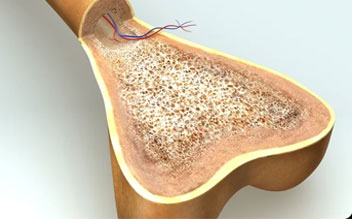
A bone marrow transplant (BMT) is a therapy option for children suffering from cancer or other disorders. The purpose of bone marrow...
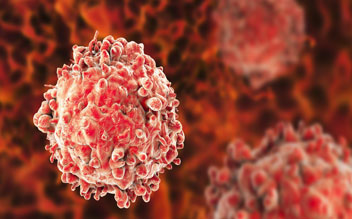
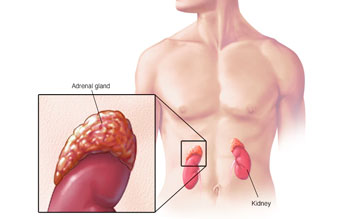
Neuroblastoma is a malignant tumor. It develops in the nervous tissue of infants and young children. Cancer cells proliferate
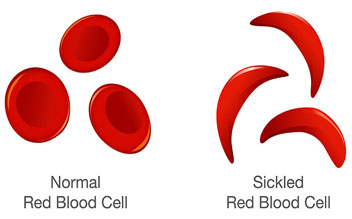
Sickle cell anemia is a hereditary disorder that affects hemoglobin, the component of red blood cells that transports oxygen...
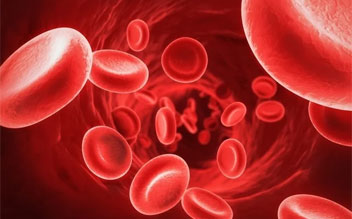
Platelets are the cells that cause blood clots, hence platelet abnormalities cause wounded blood arteries to bleed more than usual...
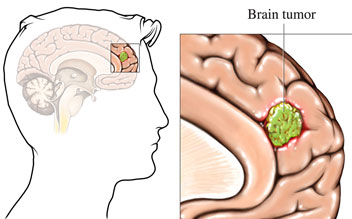
A brain tumor is an abnormal growth of tissue within the brain. The brain forms part of the central nervous system (CNS).
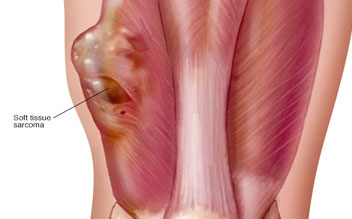
Soft tissue sarcomas are malignant tumors that develop in soft tissue, including muscle, fibrous tissues, tendons, fat, nerves,...
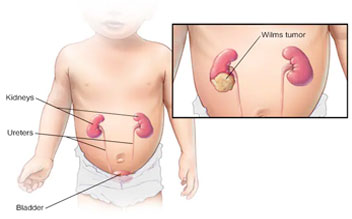
Wilm's tumor is a kidney tumor that nearly usually affects youngsters. This disease accounts for roughly 90% of kidney...
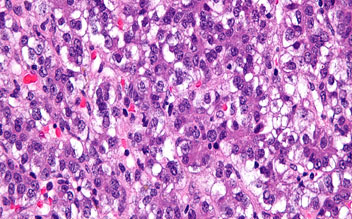
Hepatoblastoma is an extremely uncommon kind of cancer. It is a tumor that originates in the liver. It often affects children aged...
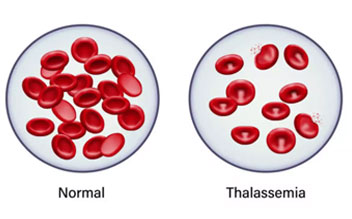
Thalassaemia is an inherited hereditary blood condition that causes permanent anemia. People with thalassaemia...